Hydroxyurea → HCID 13770900, compound
Reaction equation

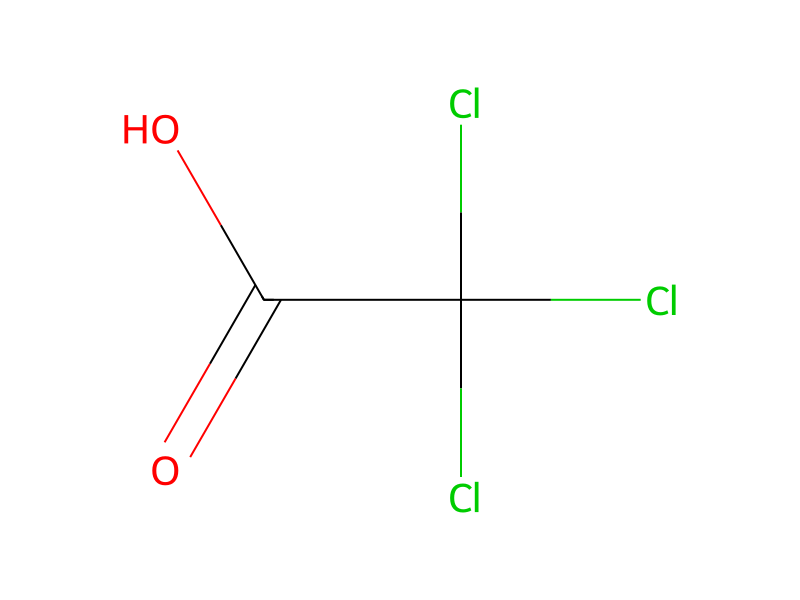
[CH2:1]1[CH:7](O)[NH:6][P:4]([N:9]([CH2:13][CH2:14][Cl:15])[CH2:10][CH2:11][Cl:12])(=[O:5])[O:3][CH2:2]1.[OH:16][NH:17][C:18]([NH2:20])=[O:19].ClC(Cl)(Cl)C(O)=O>CN(C=O)C.C(OCC)(=O)C>[OH:16][N:17]([CH:7]1[CH2:1][CH2:2][O:3][P:4]([N:9]([CH2:13][CH2:14][Cl:15])[CH2:10][CH2:11][Cl:12])(=[O:5])[NH:6]1)[C:18]([NH2:20])=[O:19]Participants
6
Reactant 3


Product 1

Reagents, catalysts & solvents 2


Procedure
15 g (54 mmol) of 4-hydroxycyclophosphamide (that is to say 2-[bis-(2-chloroethyl)-amino]-4-hydroxytetrahydro-2H-1,3,2-oxazaphosphorin-2-oxide) and 4.4 g (58 mmol) of hydroxyurea were dissolved in 70 ml of DMF, acidified with trichloroacetic acid (pH 3-4) and left for 20 hours at 0° C. in a refrigerator. The resultant crystal sludge was diluted with 70 ml of ethyl acetate and after 2 hours was drawn off by suction, washed, dried and recrystallized from methanol.
Workup
- washwashed
- customdried
- customrecrystallized from methanol
Sources & evidence
- ORD record
- ord-a5561bc500874f8cb3badd35adab27be
- Source dataset
- uspto-grants-1986_10
- Patent number
- US04618692
Reaction notes
Loading…