1,4-Dichlorobenzene → HCID 20465756, compound
Reaction equation

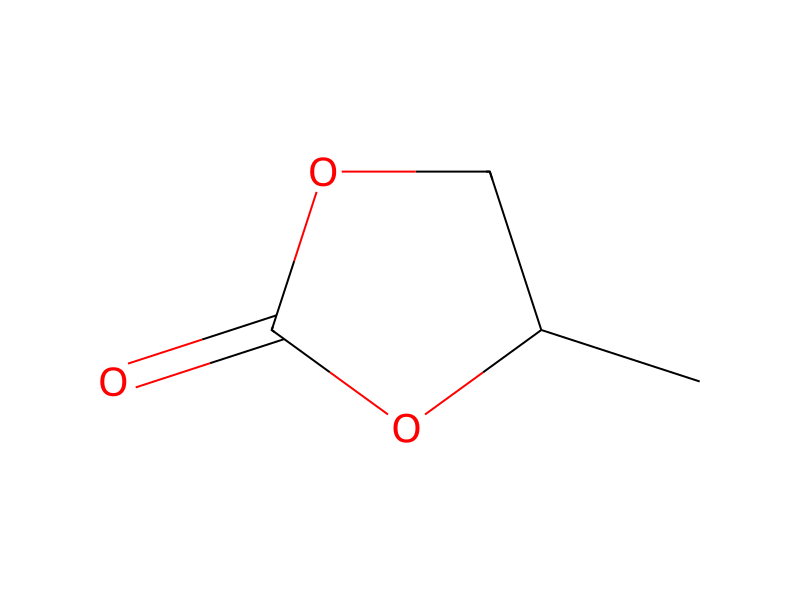
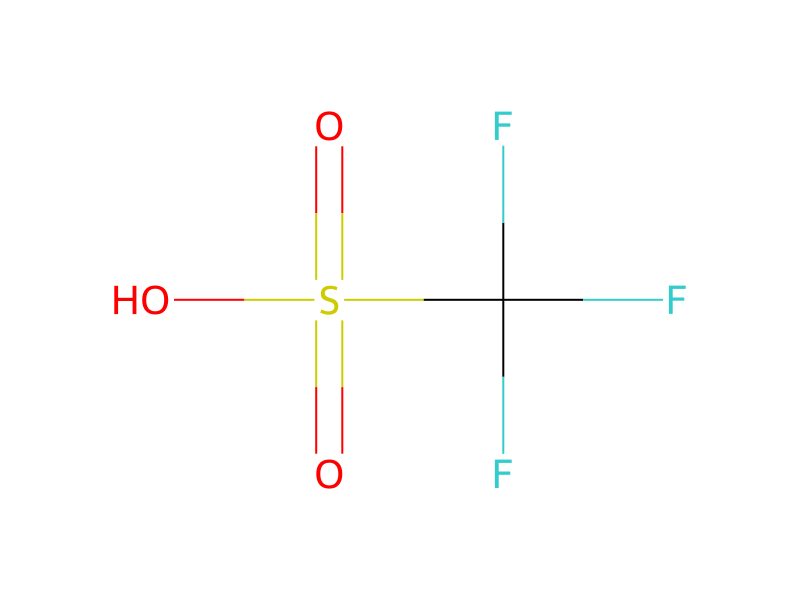
C1(=O)O[CH:4]([CH3:5])[CH2:3]O1.C1C(Cl)=CC=C(Cl)C=1.[CH3:16][C:17]1[C:26]2[C:21](=CC=C[CH:25]=2)C=[CH:19][CH:18]=1.[NH:27]=[C:28]=[O:29]>C(S(O)(=O)=O)(F)(F)F.ClC1C=CC=CC=1.C1C=CC=CC=1.C1(C)C=CC=CC=1.C1(C)C(C)=CC=CC=1>[N-:27]=[C:28]=[O:29].[N-:27]=[C:28]=[O:29].[CH:4]1([CH3:5])[CH2:19][CH2:18][CH:17]([CH:26]([CH3:21])[CH3:25])[CH2:16][CH2:3]1Participants
10
Reactant 4


Product 1

Reagents, catalysts & solvents 5




Procedure
Some mixed solvents such as mixtures of propylene carbonate and toluene and mixtures of one or more organic carbonates with solvents such as xylene, toluene, benzene, chlorobenzene, dichlorobenzene, methylnaphthalene, and nitro hydrocarbons can be used effectively as solvents in the process of this invention. The process of this invention can be run at temperatures below 0 degrees C. using excess liquid HNCO as solvent. For instance, the reaction of alpha-terpinyl isocyanate with an excess of HNCO using CF3SO3H as catalyst at -20 degrees C. for 2 hours gave a 16% yield of menthane diisocyanate with a selectivity of 80%.
Workup
- customcan be run at temperatures below 0 degrees C
- customat -20 degrees C
Sources & evidence
- ORD record
- ord-4f5ebb6e8aa7498fa1ff27408707adae
- Source dataset
- uspto-grants-1986_10
- Patent number
- US04618707
Reaction notes
Loading…