Gamma-Butyrolactone → HCID 13938924, compound
Reaction equation

[N:1]1([C:7]2[N:16]=[C:15]([NH2:17])[C:14]3[C:9](=[CH:10][C:11]([O:20][CH3:21])=[C:12]([O:18][CH3:19])[CH:13]=3)[N:8]=2)[CH2:6][CH2:5][NH:4][CH2:3][CH2:2]1.[C:22]1(=[O:27])[O:26][CH2:25][CH2:24][CH2:23]1>>[NH2:17][C:15]1[C:14]2[C:9](=[CH:10][C:11]([O:20][CH3:21])=[C:12]([O:18][CH3:19])[CH:13]=2)[N:8]=[C:7]([N:1]2[CH2:6][CH2:5][N:4]([C:25](=[O:26])[CH2:24][CH2:23][CH2:22][OH:27])[CH2:3][CH2:2]2)[N:16]=1Participants
3
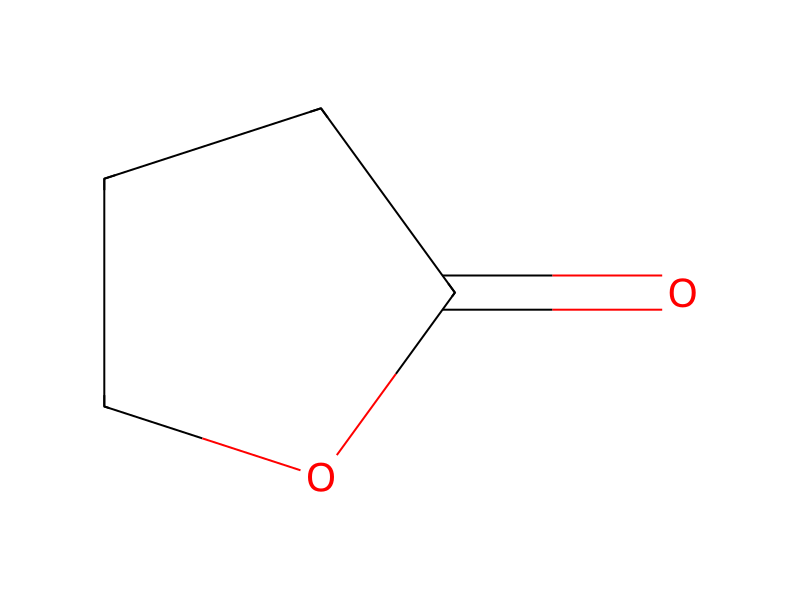


Procedure
5 g of 2-piperazinyl-4-amino-6,7-dimethoxy quinazoline were heated in 15 g of γ-butyrolactone to 100° C. until a sample on thin layer chromatography (as described in Examples 1 and 3) indicated the reaction was complete. The precipitate formed overnight with cooling was removed and recrystallized from ethanol. The 1-(4-amino-6,7-dimethoxy quinazolin-2-yl)-4-(4-hydroxy-butyryl)-piperazine obtained showed a crystal transformation at 135°-140° C. and melted at 241°-243° C.
Workup
- customThe precipitate formed overnight
- temperaturewith cooling
- customwas removed
- customrecrystallized from ethanol
Sources & evidence
- ORD record
- ord-a34267fc36174ac290f95ab2a2dd836a
- Source dataset
- uspto-grants-1989_01
- Patent number
- US04795750
Reaction notes
Loading…