4-Aminopyridine → N,N-diphenyl-N'-(4-pyridinyl)urea
Reaction equation

[C:1]1([N:7]([C:11]2[CH:16]=[CH:15][CH:14]=[CH:13][CH:12]=2)[C:8](Cl)=[O:9])[CH:6]=[CH:5][CH:4]=[CH:3][CH:2]=1.[NH2:17][C:18]1[CH:23]=[CH:22][N:21]=[CH:20][CH:19]=1.C(Cl)(Cl)Cl>C(N(CC)CC)C>[C:1]1([N:7]([C:11]2[CH:16]=[CH:15][CH:14]=[CH:13][CH:12]=2)[C:8]([NH:17][C:18]2[CH:23]=[CH:22][N:21]=[CH:20][CH:19]=2)=[O:9])[CH:6]=[CH:5][CH:4]=[CH:3][CH:2]=1Participants
5
Reactant 3
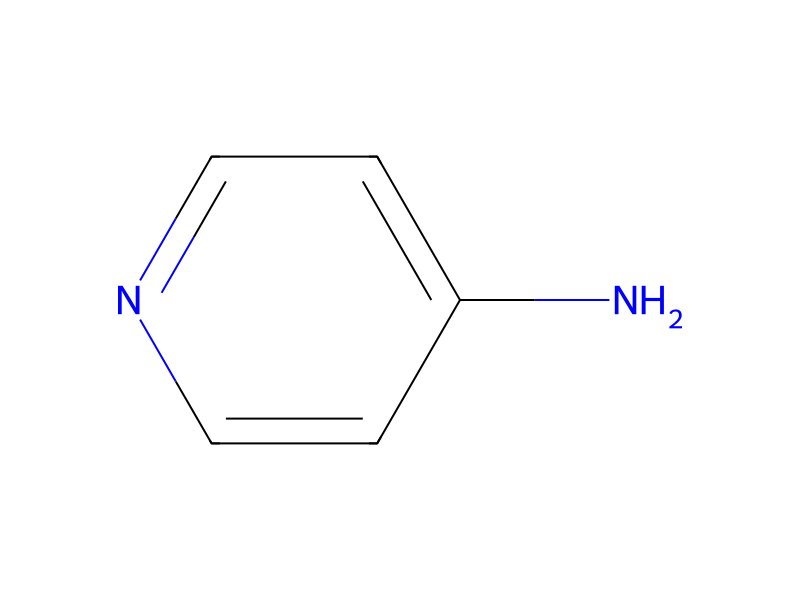


Product 1

Reagents, catalysts & solvents 1

Procedure
Employing the general method of Example 1, 27.5 g (0.12 mol) of diphenylcarbamic chloride and 20 g (0.12 mol) of 4-aminopyridine were heated under reflux for two hours in 150 ml of chloroform containing 12.0 g (0.12 mol) of triethylamine to produce the title compound as a pale yellow solid.
Workup
- temperaturewere heated
Sources & evidence
- ORD record
- ord-de9a25dc27964b549edf0a05670e008e
- Source dataset
- uspto-grants-1989_01
- Patent number
- US04797419
Reaction notes
Loading…