Pyrazole → HCID 56991616, compound
Reaction equation

[NH:1]1[CH:5]=[CH:4][CH:3]=[N:2]1.[C:6]([O:9][C:10]1[CH:17]=[CH:16][C:13]([CH2:14]Br)=[CH:12][CH:11]=1)(=O)[CH3:7].[C:18](=O)([O-])[O-:19].[K+].[K+].[Cl-].[NH4+].C[N:27](C)[CH:28]=[O:29]>>[CH3:18][O:19][C:28](=[O:29])[NH:27][CH2:7][CH2:6][O:9][C:10]1[CH:17]=[CH:16][C:13]([CH2:14][N:1]2[CH:5]=[CH:4][CH:3]=[N:2]2)=[CH:12][CH:11]=1Participants
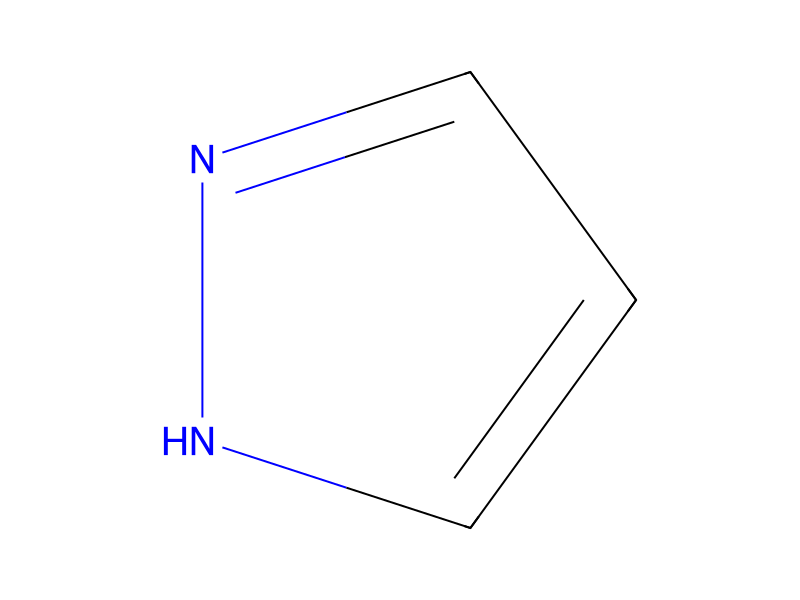





Conditions
- Temperature
- 100 °C
Procedure
4-(1-Pyrazolyl)methylphenol [this was obtained in the following manner: A mixture of pyrazole (351 mg), 4-acetoxybenzyl bromide (1 g), anhydrous potassium carbonate (1.30 g) and anhydrous N,N-dimethylformamide (30 ml) was heated at 100° C. under stirring for 3 hours. The reaction mixture was then poured into ice-cooled saturated aqueous ammonium chloride solution (200 ml), which was extracted twice with ethyl acetate (50 ml). The organic layers were combined, washed with saturated sodium chloride solution (50 ml), dried with anhydrous magnesium sulfate, and concentrated under reduced pressure. The residue was dissolved in ethanol (20 ml), to which 5N aqueous sodium hydroxide solution (1.03 ml) was added, and the mixture was stirred at room temperature overnight. Then, water (10 ml) was added to the reaction mixture, which was concentrated under reduced pressure to remove most of the ethanol. The residue was poured into an ice-cooled mixture of acetic acid (310 mg) and water (100 ml), which was extracted twice with ethyl acetate (50 ml). The organic layers were combined, washed with saturated sodium chloride solution, dried with anhydrous magnesium sulfate, and concentrated under reduced pressure.]was dissolved in anhydrous N,N-dimethylformamide (20 ml), to which 2-chloroethylcarbamic acid methyl ester (710 mg) and potassium carbonate (1.43 g) were added, and the mixture was heated at 60° C. under stirring for 6 hours. The reaction mixture was then poured into ice-cooled saturated aqueous ammonium chloride solution (100 ml), which was extracted twice with ethyl acetate (50 ml). The organic layers were combined, washed with saturated sodium chloride solution, dried with anhydrous magnesium sulfate, and concentrated under reduced pressure. The residue was subjected to silica gel chromatography, which afforded 128 mg of 2-[4-(1-pyrazolyl)methylphenoxy]ethylcarbamic acid methyl ester (compound 3). Yield, 10% (based upon 4-acetoxybenzyl bromide).
Workup
- additionThe reaction mixture was then poured into ice-
- extractionwas extracted twice with ethyl acetate (50 ml)
- washwashed with saturated sodium chloride solution (50 ml)
- dry with materialdried with anhydrous magnesium sulfate
- concentrationconcentrated under reduced pressure
- dissolutionThe residue was dissolved in ethanol (20 ml), to which 5N aqueous sodium hydroxide solution (1.03 ml)
- additionwas added
- stirringthe mixture was stirred at room temperature overnight
- additionThen, water (10 ml) was added to the reaction mixture, which
- concentrationwas concentrated under reduced pressure
- customto remove most of the ethanol
- additionThe residue was poured into an ice-
- temperaturecooled
- additionmixture of acetic acid (310 mg) and water (100 ml), which
- extractionwas extracted twice with ethyl acetate (50 ml)
- washwashed with saturated sodium chloride solution
- dry with materialdried with anhydrous magnesium sulfate
- concentrationconcentrated under reduced pressure
- dissolution]was dissolved in anhydrous N,N-dimethylformamide (20 ml), to which 2-chloroethylcarbamic acid methyl ester (710 mg) and potassium carbonate (1.43 g)
- additionwere added
- temperaturethe mixture was heated at 60° C.
- stirringunder stirring for 6 hours
- additionThe reaction mixture was then poured into ice-
- temperaturecooled saturated aqueous ammonium chloride solution (100 ml), which
- extractionwas extracted twice with ethyl acetate (50 ml)
- washwashed with saturated sodium chloride solution
- dry with materialdried with anhydrous magnesium sulfate
- concentrationconcentrated under reduced pressure
Sources & evidence
- ORD record
- ord-28107a19a6e04cf6aed1e6d97c7eabcd
- Source dataset
- uspto-grants-1997_11
- Patent number
- US05684022
Reaction notes
Loading…