Hydrogen Bromide → N,N'-Dicyclohexylurea
Reaction equation

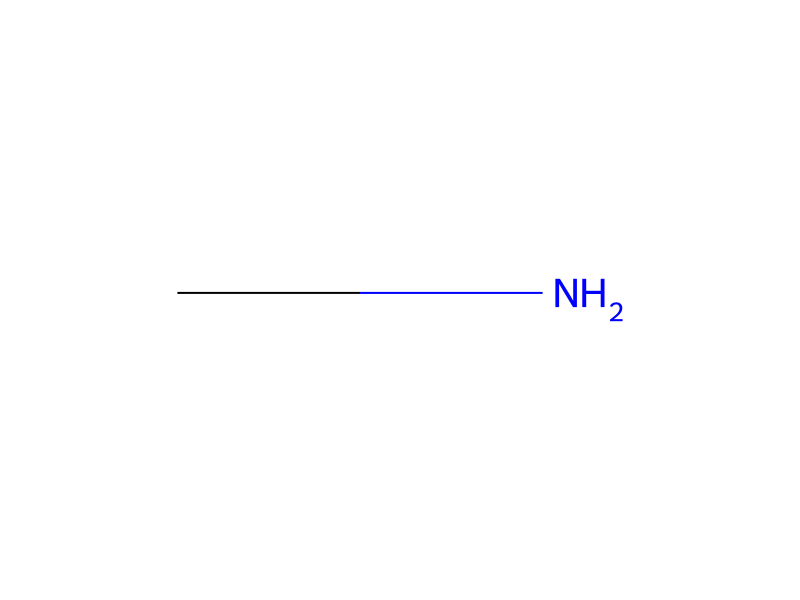
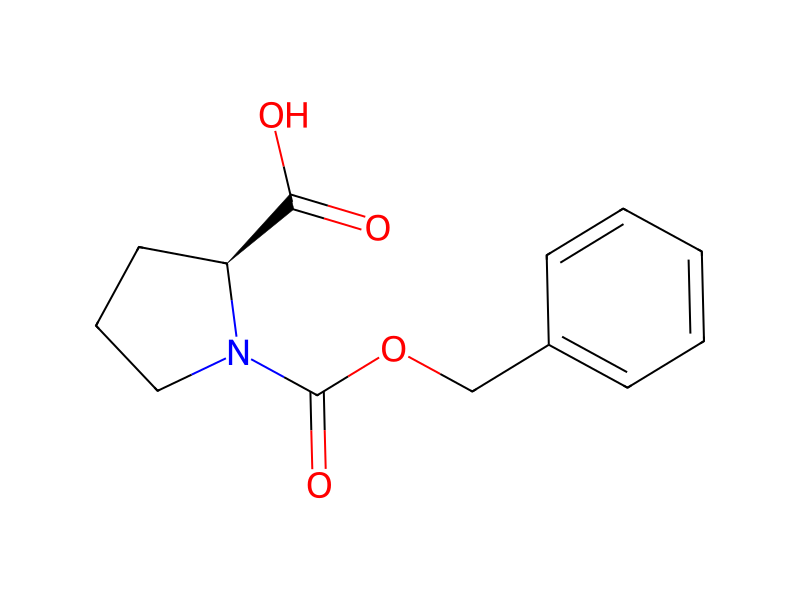
Br.N1(C(OCC2C=CC=CC=2)=O)CCC[C@H]1C(O)=[O:5].CN.[CH2:22]1[CH2:27][CH2:26][CH:25]([N:28]=[C:29]=[N:30][CH:31]2[CH2:36][CH2:35][CH2:34][CH2:33][CH2:32]2)[CH2:24][CH2:23]1>C(Cl)Cl>[C:29]([NH:28][CH:25]1[CH2:24][CH2:23][CH2:22][CH2:27][CH2:26]1)([NH:30][CH:31]1[CH2:36][CH2:35][CH2:34][CH2:33][CH2:32]1)=[O:5]Participants
Reactant 4


Product 1

Reagents, catalysts & solvents 1

Procedure
To a cooled solution of the phosphonate 4-CN-PheP (OPh)2.HBr (0.41 g, 0.9 mmole) and Cbz-Pro-OH (0.25 g, 1.0 mmole) in 20 mL CH2Cl2 was added 0.14 mL Methyl amine. After stirring for 10 min, DCC (0.21 g, 1.0 mmole) was added and the mixture was stirred at 0° C. for 2 h and at r.t. for 24 h. During this period, dicyclohexylurea (DCU) formed, was removed by filtration and the filtrate was evaporated. The residue was dissolved in 50 mL ethyl acetate, filtered, the filtrate was washed with 50 mL 1N HCl, water, 6% NaHCO3, and water. The organic layer was dried, filtered, and evaporated to give crude product which was then recrystallized from ether to give white crystals, yield 52% (0.29 g); mp 131°-132° C.; 1H NMR (DMSO) δ8.75(m, 1H), 7.8-7.2(m, 19H), 5.06 (m, 2H), 4.95 (m, 1H), 4.6 (q, 1H), 4.2 (m, 1H), 3.5-3.1 (m, 3H), 2.0-1.4 (m, 4H); MS (FAB+) m/e 610 (M+1). Anal. (C34H32N3O6P) C, H, N.
Workup
- stirringthe mixture was stirred at 0° C. for 2 h and at r.t. for 24 h
- waitDuring this period
Sources & evidence
- ORD record
- ord-006abf54aad646ca976d5b772c657b0b
- Source dataset
- uspto-grants-1997_11
- Patent number
- US05686419
Reaction notes
Loading…