Triphenylphosphine → HCID 54711645, compound
Reaction equation

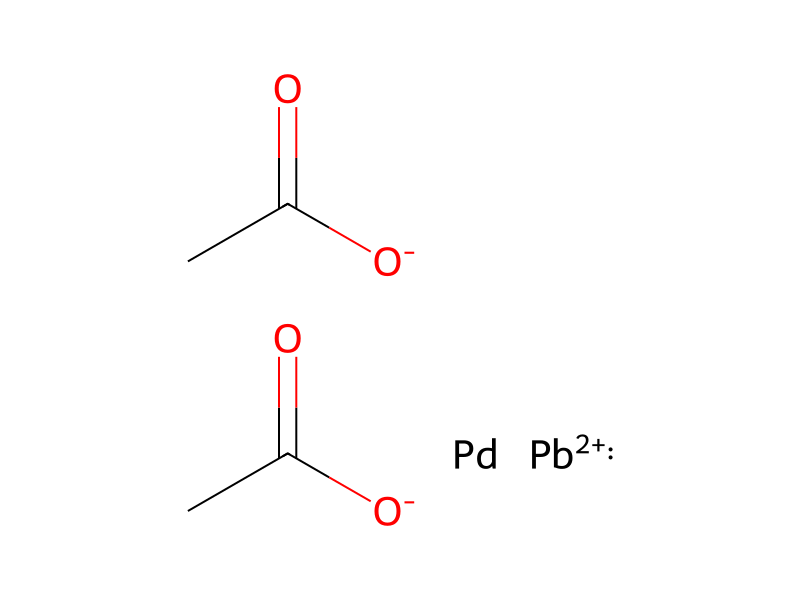
[OH:1][C:2]1[C:11]2[C:6](=[CH:7][CH:8]=[CH:9][CH:10]=2)[O:5][C:4](=[O:12])[CH:3]=1.[C:13]1([C:19]#[C:20][CH2:21]O)[CH:18]=[CH:17][CH:16]=[CH:15][CH:14]=1.CCOC(/N=N/C(OCC)=O)=O.C1(P(C2C=CC=CC=2)C2C=CC=CC=2)C=CC=CC=1.[H][H]>[Pd].CC([O-])=O.CC([O-])=O.[Pb+2].CC1C=CC=CC=1C>[OH:1][C:2]1[C:11]2[C:6](=[CH:7][CH:8]=[CH:9][CH:10]=2)[O:5][C:4](=[O:12])[C:3]=1[CH:19]([C:13]1[CH:18]=[CH:17][CH:16]=[CH:15][CH:14]=1)[CH:20]=[CH2:21]Participants
8
Reactant 5





Product 1

Reagents, catalysts & solvents 2

Procedure
Reaction of 4-hydroxycoumarin with 3-phenyl-2-propyn-1-ol of formula I-1 in the presence of diethylazodicarboxylate and triphenylphosphine gives the compound of formula of I-2, which is partially reduced with hydrogen gas and Lindlar's catalyst to give the compound of formula I-3. Heating of the compound of formula I-3 in o-xylene at 145° C. gives the compound of formula I-4 (4-Hydroxy-3-(1-phenyl-2-propenyl)-coumarin).
Workup
- customgives the compound of formula of I-2, which
- customto give the compound of formula I-3
Sources & evidence
- ORD record
- ord-b3e560b0f0cd46298f7c82b801adcd9c
- Source dataset
- uspto-grants-1997_11
- Patent number
- US05686486
Reaction notes
Loading…