Hydrazine hydrate (1:1) → HCID 57758598, compound
Reaction equation

[CH2:1]([O:3][C:4]([C:6]1[C:7](Cl)=[N:8][C:9](S(C)(=O)=O)=[N:10][CH:11]=1)=[O:5])[CH3:2].[F:17][C:18]1[CH:23]=[C:22]([F:24])[CH:21]=[CH:20][C:19]=1[OH:25].CC[O-].[Na+].O.[NH2:31][NH2:32]>CC(OC)(C)C.O>[CH2:1]([O:3][C:4]([C:6]1[C:7]([NH:31][NH2:32])=[N:8][C:9]([O:25][C:19]2[CH:20]=[CH:21][C:22]([F:24])=[CH:23][C:18]=2[F:17])=[N:10][CH:11]=1)=[O:5])[CH3:2]Participants
7
Reactant 4




Product 1

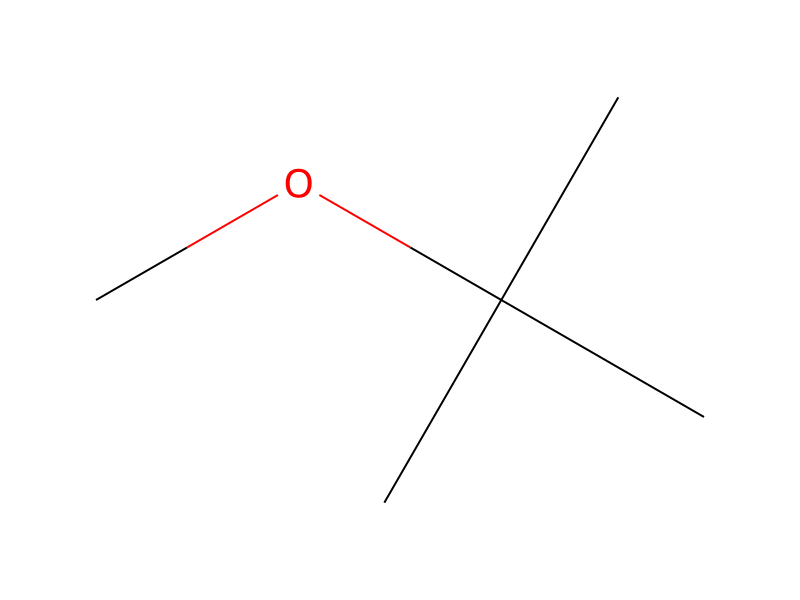
Reagents, catalysts & solvents 2

Procedure
To a suspension of 4-chloro-2-methanesulfonyl-pyrimidine-5-carboxylic acid ethyl ester (12.8 g) and 2,4-difluorophenol (6.42 g) in MTBE (100 mL) was added a solution of NaOEt (3.87 g) in water (64 mL) at 0° C. The reaction was warmed to room temperature and stirred for one hour. The mixture was then added into a solution of hydrazine hydrate (4.8 g) in MTBE (25 mL) at 0° C. The reaction mixture was slowly warmed to room temperature and stirred for four hours, then quenched by addition of water and extracted with methylene chloride. The combined organic layers were dried with MgSO4, filtered and concentrated under reduced pressure to give 2-(2,4-difluoro-phenoxy)-4-hydrazino-pyrimidine-5-carboxylic acid ethyl ester (8.0 g).
Workup
- temperatureThe reaction mixture was slowly warmed to room temperature
- stirringstirred for four hours
- customquenched by addition of water
- extractionextracted with methylene chloride
- dry with materialThe combined organic layers were dried with MgSO4
- filtrationfiltered
- concentrationconcentrated under reduced pressure
Sources & evidence
- ORD record
- ord-8488dfdcf7814c829f04751e21b33793
- Source dataset
- uspto-grants-2009_07
- Patent number
- US07563800B2
Reaction notes
Loading…