Triphenylphosphine → HCID 18383984, compound
Reaction equation

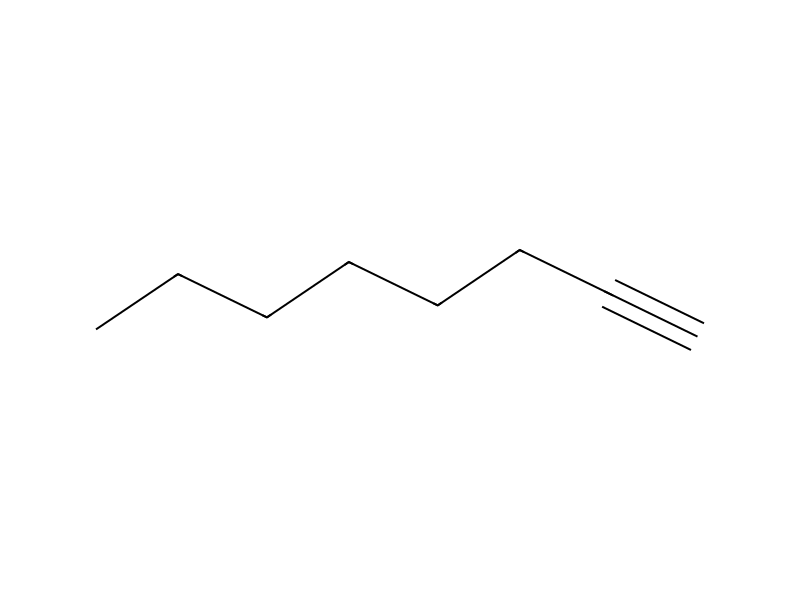
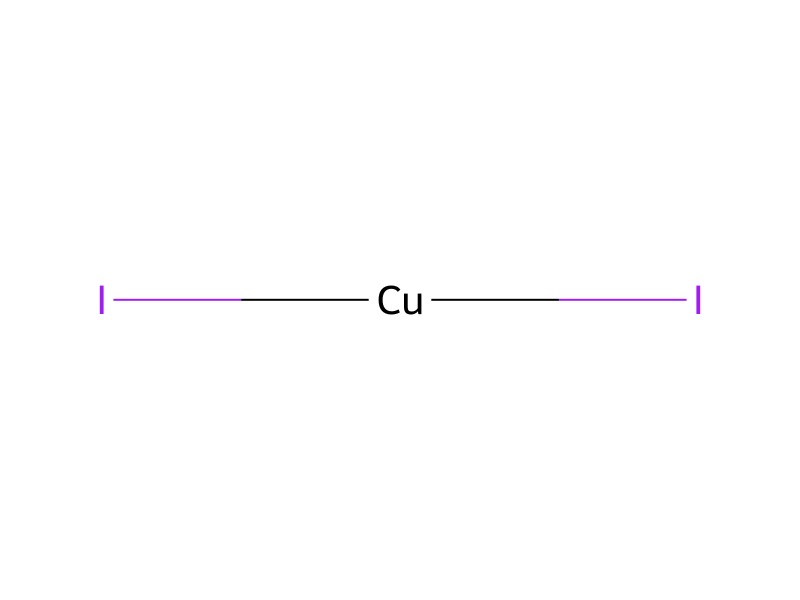
[CH:1]#[C:2][CH2:3][CH2:4][CH2:5][CH2:6][CH2:7][CH3:8].I[C:10]1[CH:11]=[C:12]([CH:15]=[CH:16][C:17]=1[O:18][CH2:19][O:20][CH3:21])[CH:13]=[O:14].C1(P(C2C=CC=CC=2)C2C=CC=CC=2)C=CC=CC=1>C(Cl)Cl.[Cu](I)I.C([O-])(=O)C.C([O-])(=O)C.[Pd+2]>[C:1]([C:10]1[CH:11]=[C:12]([CH:15]=[CH:16][C:17]=1[O:18][CH2:19][O:20][CH3:21])[CH:13]=[O:14])#[C:2][CH2:3][CH2:4][CH2:5][CH2:6][CH2:7][CH3:8]Participants
7





Procedure
Under an argon atmosphere, copper iodide (190 mg, 1.0 mmol), 1-octyne (0.55 mL, 5.0 mmol) and 3-iodo-4-methoxymethoxybenzaldehyde (291 mg, 1.0 mmol) were added to a solution (2 mL) of palladium (II) diacetate (11 mg, 0.05 mmol) and triphenylphosphine (52 mg, 0.20 mmol) in methylene chloride, followed by stirring at room temperature for 2 hours. Next, the reaction solution was filtered through celite, and the solvent contained in the filtrate was evaporated under reduced pressure. The residue was purified by silica gel column chromatography (eluted with ethyl acetate/hexane=1/10) to give 3-(1-octyn-1-yl)-4-methoxymethoxybenzaldehyde (124 mg, yield 45%).
Workup
- filtrationNext, the reaction solution was filtered through celite
- customwas evaporated under reduced pressure
- customThe residue was purified by silica gel column chromatography (eluted with ethyl acetate/hexane=1/10)
Sources & evidence
- ORD record
- ord-b2f9cf1afa254210951bad91ae577cd5
- Source dataset
- uspto-grants-2002_12
- Patent number
- US06492392B1
Reaction notes
Loading…