Trifluoroacetic acid → Trifluoroacetate
Reaction equation

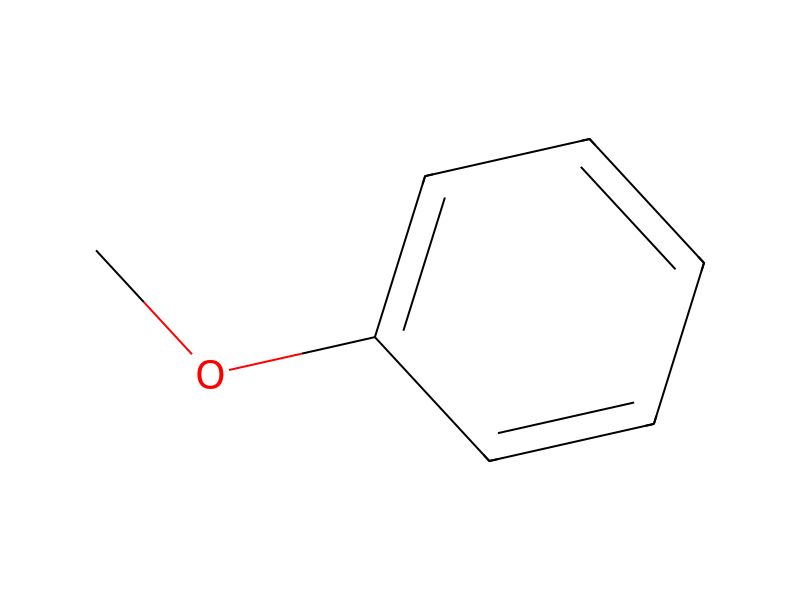
C(OC([N:8]1[CH2:20][CH2:19][C:18]2[C:17]3[C:12](=[CH:13][CH:14]=[CH:15][CH:16]=3)[N:11]([CH2:21][CH:22]=[CH2:23])[C:10]=2[CH2:9]1)=O)(C)(C)C.C1(OC)C=CC=CC=1.[F:32][C:33]([F:38])([F:37])[C:34]([OH:36])=[O:35]>ClCCl>[CH2:21]([N:11]1[C:12]2[C:17](=[CH:16][CH:15]=[CH:14][CH:13]=2)[C:18]2[CH2:19][CH2:20][NH:8][CH2:9][C:10]1=2)[CH:22]=[CH2:23].[F:32][C:33]([F:38])([F:37])[C:34]([O-:36])=[O:35]Participants
6




Procedure
Dichloromethane solution (20 ml) of 2-t-butoxycarbonyl-9-allyl-2,3,4,9-tetrahydro-1H-pyrido[3,4-b]indole (624 mg, 2.0 mmol) was mixed with anisole (2 ml) and trifluoroacetic acid (3 ml) and stirred at room temperature for 6 hours. By removing the solvent by evaporation under a reduced pressure, 9-allyl-2,3,4,9-tetrahydro-pyrido[3,4-b]indole was obtained as trifluoroacetate.
Workup
- customBy removing the solvent
- customby evaporation under a reduced pressure
Sources & evidence
- ORD record
- ord-dcd9cf738f994833b5af900ded003ec5
- Source dataset
- uspto-grants-2002_12
- Patent number
- US06498251B1
Reaction notes
Loading…