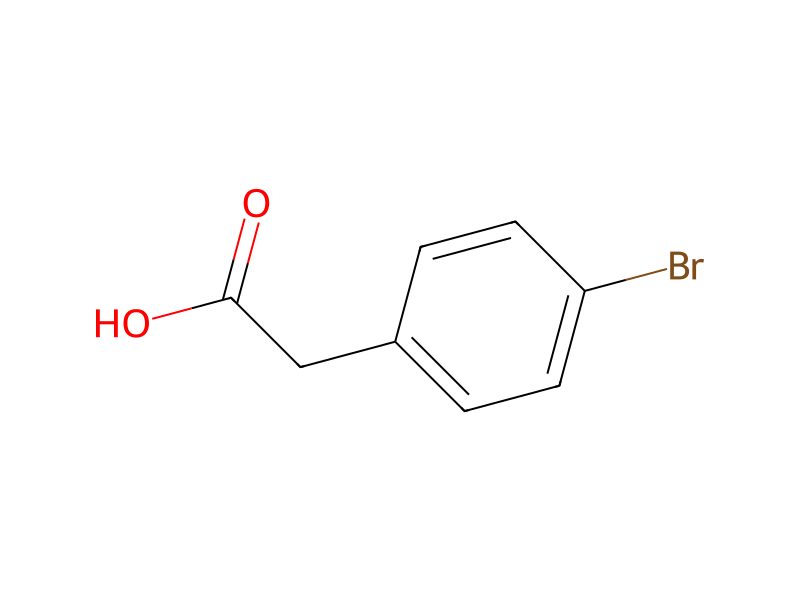
Triethylamine → 2-(4-bromophenyl)-N,N-dimethylacetamide
Reaction equation

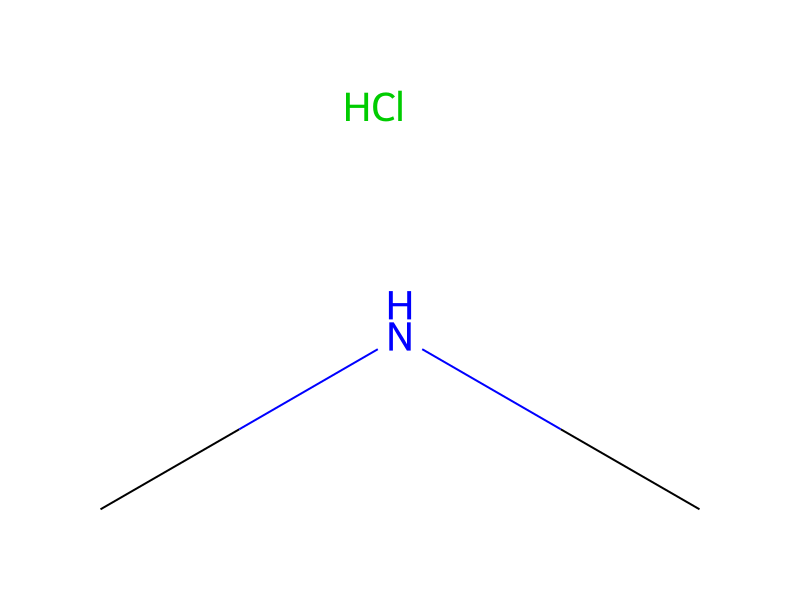
[Br:1][C:2]1[CH:7]=[CH:6][C:5]([CH2:8][C:9]([OH:11])=O)=[CH:4][CH:3]=1.[C:12](N1C=CN=C1)([N:14]1C=CN=[CH:15]1)=O.C(N(CC)CC)C.Cl.CNC>ClCCl>[Br:1][C:2]1[CH:7]=[CH:6][C:5]([CH2:8][C:9]([N:14]([CH3:15])[CH3:12])=[O:11])=[CH:4][CH:3]=1Participants
6




Procedure
A solution of 4-bromophenylacetic acid (960 mg, 4.49 mmol) in dichloromethane (30 ml) was treated in one portion with solid 1,1′-carbonyldiimidazole (730 mg, 4.5 mmol) at 20° C. with stirring under argon. This mixture was allowed to stir at room temperature for 15 minutes. Triethylamine (0.63 ml) was then added followed by dimethylamine hydrochloride (367 mg, 4.5 mmol) and the stirring continued for 1 hour. Most of the solvent was removed under reduced pressure and the residue added to a 20 g isolute silica sep-pak column and eluted from 0-50% ethyl acetate in petroleum ether to give the title compound as a colourless solid (689 mg, 64%).
Workup
- stirringto stir at room temperature for 15 minutes
- customMost of the solvent was removed under reduced pressure
- additionthe residue added to a 20 g isolute silica sep-pak column
- washeluted from 0-50% ethyl acetate in petroleum ether
Sources & evidence
- ORD record
- ord-029811c8d9194bc08a9aa0df315b6526
- Source dataset
- uspto-grants-2009_07
- Patent number
- US07566735B2
Reaction notes
Loading…