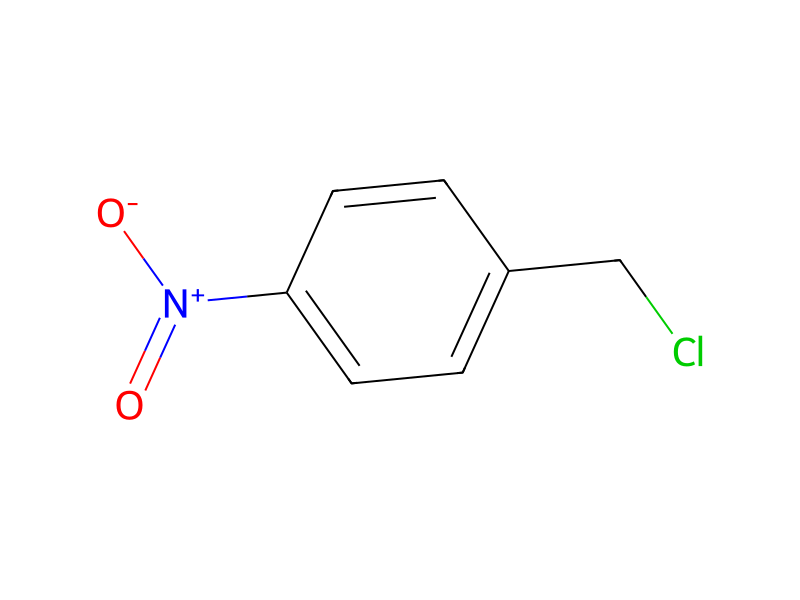
4-Nitrobenzyl chloride → HCID 57762790, compound
Reaction equation

[F:1][C:2]([F:13])([F:12])[C:3]1[C:11]2[CH2:10][CH2:9][CH2:8][CH2:7][C:6]=2[NH:5][N:4]=1.C(=O)([O-])[O-].[K+].[K+].[N+:20]([C:23]1[CH:30]=[CH:29][C:26]([CH2:27]Cl)=[CH:25][CH:24]=1)([O-:22])=[O:21]>CN(C=O)C>[N+:20]([C:23]1[CH:30]=[CH:29][C:26]([CH2:27][N:5]2[C:6]3[CH2:7][CH2:8][CH2:9][CH2:10][C:11]=3[C:3]([C:2]([F:1])([F:12])[F:13])=[N:4]2)=[CH:25][CH:24]=1)([O-:22])=[O:21]Participants
5
Reactant 3


Product 1

Reagents, catalysts & solvents 1

Procedure
A solution of 3-(trifluoromethyl)-4,5,6,7-tetrahydro-1H-indazole (380 mg, 2 mmol) in anhydrous DMF (10 ml) was treated with potassium carbonate (552 mg, 4 mmol) followed by 4-nitrobenzyl chloride (343 mg, 2 mmol) and the whole mix stirred under argon for 16 h at room temperature. The reaction mixture was separated between water (20 ml) and ethyl acetate (20 ml). The organic layer was washed again with a water/brine mix (1:1) (10 ml) then dried over sodium sulphate and the solvent removed under reduced pressure to give a yellow oil (751 mg) which was chromatographed on a 5 g pre-packed silica column eluting from 0-20% ethyl acetate in petroleum ether to give the title compound as a yellow oil (416 mg, 64%).
Workup
- additionthe whole mix
- customThe reaction mixture was separated between water (20 ml) and ethyl acetate (20 ml)
- washThe organic layer was washed again with a water/brine
- additionmix (1:1) (10 ml)
- dry with materialthen dried over sodium sulphate
- customthe solvent removed under reduced pressure
Sources & evidence
- ORD record
- ord-1261e051e3024110b7801f4539c1e106
- Source dataset
- uspto-grants-2009_07
- Patent number
- US07566735B2
Reaction notes
Loading…