Tetrahydrofuran → Formylphenylboronic acid
Reaction equation

Br[C:2]1[CH:9]=[CH:8][C:5](C=O)=[CH:4][CH:3]=1.[Mg].[B:11]([O:22][CH2:23]CCC)([O:17]CCCC)OCCCC.[O:27]1CCCC1>>[CH:23]([O:22][B:11]([C:2]1[CH:3]=[CH:4][CH:5]=[CH:8][CH:9]=1)[OH:17])=[O:27]Participants
5



Procedure
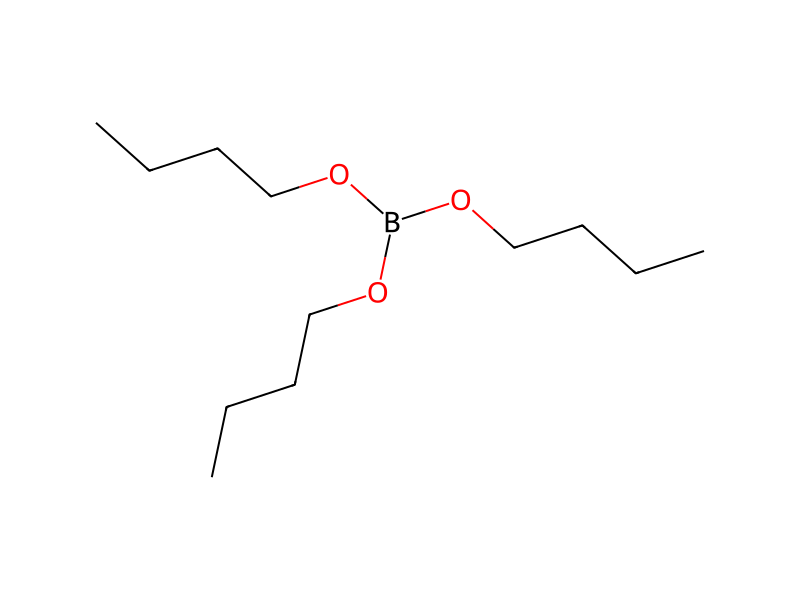
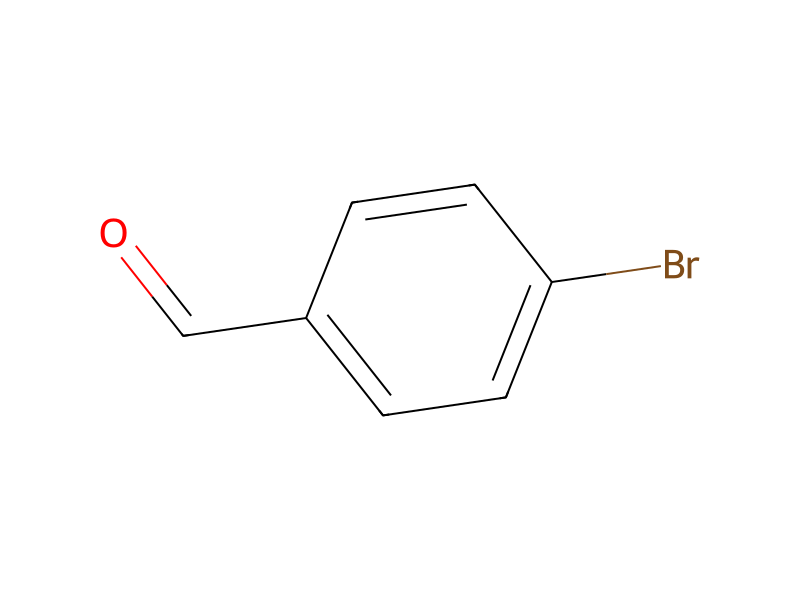
Nöth et al. (Chem. Ber. 1990, 1841-1843) convert p-bromobenzaldehyde into the diethyl acetal, convert this into the corresponding Grignard reagent by means of magnesium turnings in tetrahydrofuran (THF) and, after reaction with tri-n-butyl borate, obtain formylphenylboronic acid in a yield of 70%. A disadvantage of this synthesis is the high price of bromobenzaldehyde compared to chlorobenzaldehyde, the need for ultrasonic activation in the preparation of the Grignard reagent and the use of the expensive tributyl borate; in addition, complicated purification procedures have to be employed (e.g. via the hydrolysis product 1-butanol).
Sources & evidence
- ORD record
- ord-502cea095e6a4f8cb24d6b805e00cd30
- Source dataset
- uspto-grants-2004_12
- Patent number
- US06833470B2
Reaction notes
Loading…