Hydrochloric Acid → HCID 12798359, compound
Reaction equation

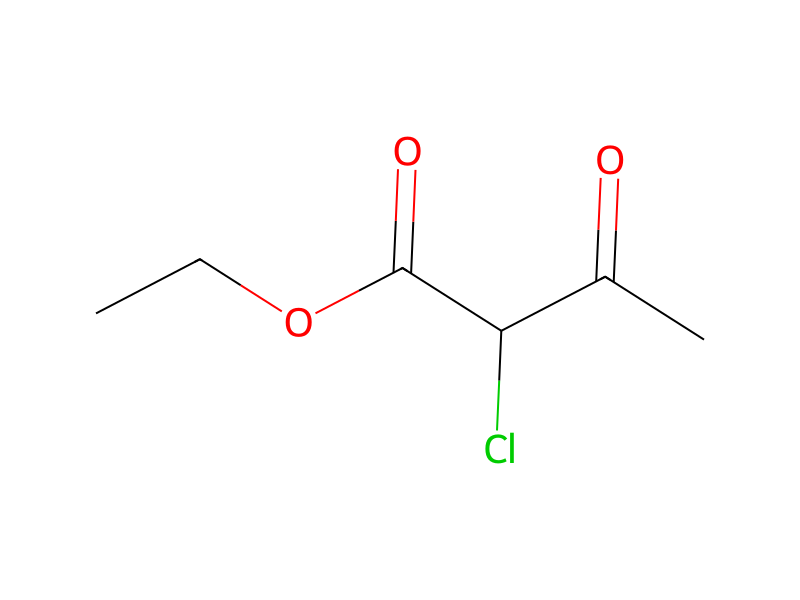
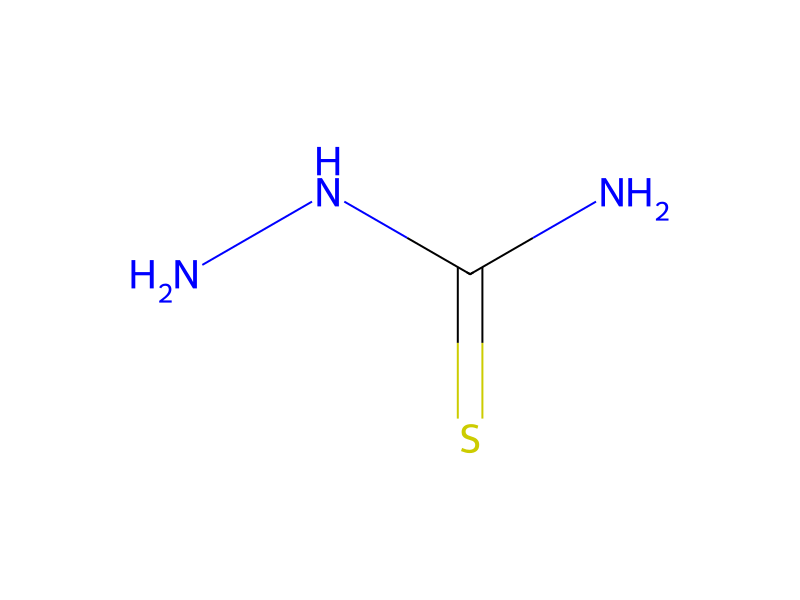
[NH2:1][NH:2][C:3]([NH2:5])=S.Cl.[Cl:7][CH:8]([C:14]([CH3:16])=O)[C:9]([O:11][CH2:12][CH3:13])=[O:10].[S]>C(O)C.O>[ClH:7].[NH2:5][C:3]1[C:8]([C:9]([O:11][CH2:12][CH3:13])=[O:10])=[C:14]([CH3:16])[NH:1][N:2]=1Participants
Reactant 4


Product 1

Reagents, catalysts & solvents 2


Conditions
- Temperature
- 0 °C
Procedure
A stirred mixture of 9.1 g (0.1 mole) of 3-thiosemicarbazide and 1 mL of concentrated hydrochloride acid in 150 mL of absolute ethanol was cooled to 0° C. in an ice bath and 16.5 g (0.1 mole) of ethyl 2-chloroacetoacetate was added dropwise. The thiosemicarbazide dissolved as the reaction mixture was allowed to slowly come to ambient temperature, it then became yellow and a new precipitate formed. The reaction mixture was heated at reflux for 3 hr. All the material had not dissolved so the reaction mixture was diluted with water and made acidic with 3N hydrochloric acid to dissolve all the solids but sulfur. After filtering, the filtrate was concentrated in vacuo leaving an orange-red oil which slowly crystallized when acetone was added to give 11.5 g of orange powder, mp 186°-188° C., with decomposition.
Workup
- customto slowly come to ambient temperature
- customa new precipitate formed
- temperatureThe reaction mixture was heated
- temperatureat reflux for 3 hr
- dissolutionAll the material had not dissolved so the reaction mixture
- filtrationAfter filtering
- concentrationthe filtrate was concentrated in vacuo
- customleaving an orange-red oil which
- customslowly crystallized when acetone
- additionwas added
Sources & evidence
- ORD record
- ord-6fd0bcb87f1a42aa9e1f5cc35ba66ac4
- Source dataset
- uspto-grants-1989_10
- Patent number
- US04871737
Reaction notes
Loading…