Hydrochloric Acid → Ethyl 1-ethyl-5-(2-thenoyl)oxindole-3-carboxylate
Reaction equation

[Na].[CH2:2]([N:4]1[C:12]2[C:7](=[CH:8][C:9]([C:13](=[O:19])[C:14]3[S:18][CH:17]=[CH:16][CH:15]=3)=[CH:10][CH:11]=2)[CH2:6][C:5]1=[O:20])[CH3:3].[C:21](=O)([O:25]CC)[O:22][CH2:23][CH3:24].Cl>[Cl-].[Na+].O.C(Cl)Cl.C(O)C>[CH2:2]([N:4]1[C:12]2[C:7](=[CH:8][C:9]([C:13](=[O:19])[C:14]3[S:18][CH:17]=[CH:16][CH:15]=3)=[CH:10][CH:11]=2)[CH:6]([C:21]([O:22][CH2:23][CH3:24])=[O:25])[C:5]1=[O:20])[CH3:3]Participants
8
Reactant 4



Product 1

Reagents, catalysts & solvents 3



Procedure
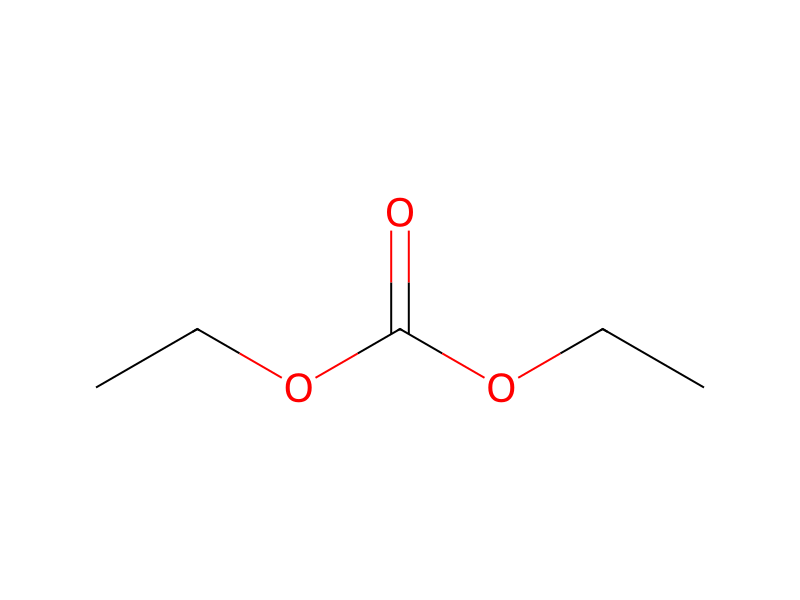
To sodium ethoxide, formed by adding 2 g. of sodium metal to 58 ml. of ethanol, at 0° C. was added 7.84 g. (28.9 mmoles) of 1-ethyl-5-(2-thenoyl)oxindole followed by 10.24 g. (86.8 mmoles) of diethyl carbonate, and the reaction heated to 65° C. for 2 hours. The reaction mixture was poured into a cold mixture of 250 ml. 1N hydrochloric acid, 250 ml. of a saturated brine solution and 200 ml. of methylene chloride. The organic phase was separated, dried over magnesium sulfate and concentrated in vacuo. The residue was triturated with diethyl ether and filtered. The filtrate was subsequently concentrated to dryness under vacuum to give the desired product, 5.4 g. (54.4% yield).
Workup
- additionby adding 2 g
- additionThe reaction mixture was poured into a cold mixture of 250 ml
- customThe organic phase was separated
- dry with materialdried over magnesium sulfate
- concentrationconcentrated in vacuo
- customThe residue was triturated with diethyl ether
- filtrationfiltered
- concentrationThe filtrate was subsequently concentrated to dryness under vacuum
Sources & evidence
- ORD record
- ord-f3cb3369c57145b1bcedf69bd73e52ad
- Source dataset
- uspto-grants-1987_02
- Patent number
- US04644005
Reaction notes
Loading…