1,2-Dimethoxyethane → 4-chloro-2-phenylpyridine
Reaction equation

Cl[C:2]1[CH:7]=[C:6]([Cl:8])[CH:5]=[CH:4][N:3]=1.[C:9]1(B(O)O)[CH:14]=[CH:13][CH:12]=[CH:11][CH:10]=1.C(=O)([O-])[O-].[K+].[K+].C(COC)OC>C1C=CC([P]([Pd]([P](C2C=CC=CC=2)(C2C=CC=CC=2)C2C=CC=CC=2)([P](C2C=CC=CC=2)(C2C=CC=CC=2)C2C=CC=CC=2)[P](C2C=CC=CC=2)(C2C=CC=CC=2)C2C=CC=CC=2)(C2C=CC=CC=2)C2C=CC=CC=2)=CC=1.O>[Cl:8][C:6]1[CH:5]=[CH:4][N:3]=[C:2]([C:9]2[CH:14]=[CH:13][CH:12]=[CH:11][CH:10]=2)[CH:7]=1Participants
7






Procedure
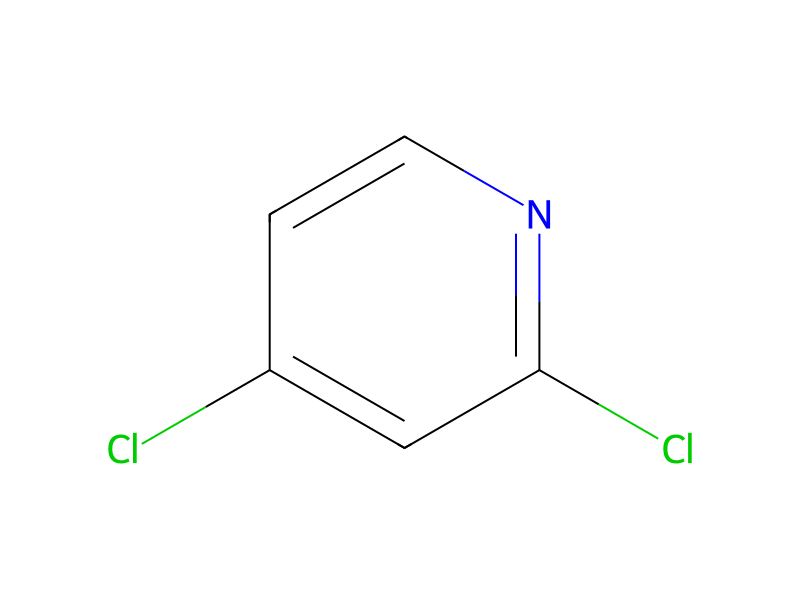
A 1 L round bottom flask was charged with 2,4-dichloropyridine (30 g, 203 mmol), phenylboronic acid (24.7 g, 203 mmol), potassium carbonate (84 g, 608 mmol), Pd(PPh3)4 (2.3 g, 2.0 mmol), dimethoxyethane (500 mL) and water (150 mL). The mixture was degassed and heated to reflux for 20 h. After cooling, the aqueous layer was extracted with EtOAc; the organic portion was combined and subjected to column chromatography (SiO2, 5% EtOAc in hexane to 10% EtOAc in hexane) to give 34 g (88%) of 4-chloro-2-phenylpyridine. The product was confirmed by GC/MS and NMR.
Workup
- customThe mixture was degassed
- temperatureheated
- temperatureto reflux for 20 h
- temperatureAfter cooling
- extractionthe aqueous layer was extracted with EtOAc
Sources & evidence
- ORD record
- ord-5ee4c98da0ff432e9a1dcbf655a76fd2
- Source dataset
- uspto-grants-2014_04
- Patent number
- US08709615B2
Reaction notes
Loading…