Acetic Acid → 6-Bromo-1,4-dihydroindeno[1,2-c]pyrazole
Reaction equation

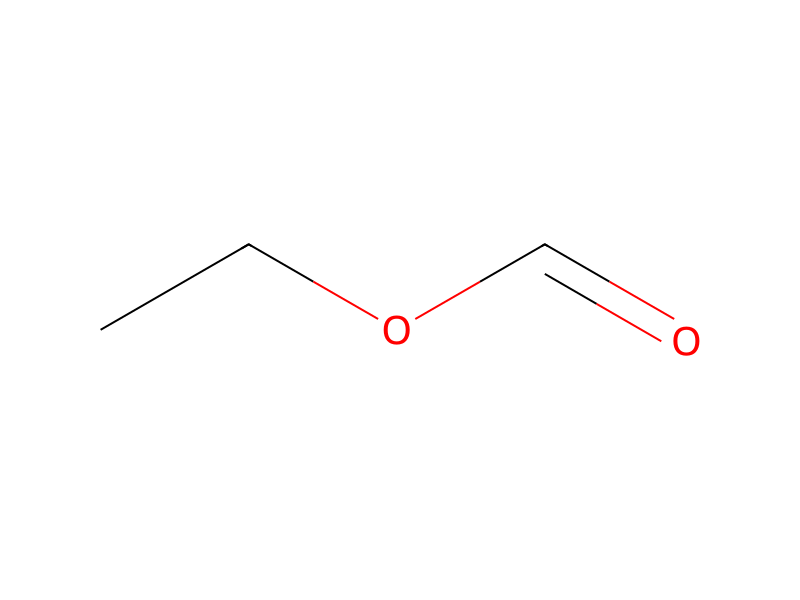
[H-].[Na+].[CH2:3](OC=O)C.[Br:8][C:9]1[CH:10]=[C:11]2[C:15](=[CH:16][CH:17]=1)[C:14](=O)[CH2:13][CH2:12]2.O.[NH2:20][NH2:21].C(O)(=O)C>C1C=CC=CC=1>[Br:8][C:9]1[CH:10]=[C:11]2[C:15](=[CH:16][CH:17]=1)[C:14]1[NH:20][N:21]=[CH:3][C:13]=1[CH2:12]2Participants
Reactant 5




Product 1

Reagents, catalysts & solvents 1

Procedure
To a mixture of a 60% suspension of sodium hydride in mineral oil (6.83 g, 284.8 mmol) and ethylformate (24.2 mL, 284.8 mmol) in benzene (100 mL) at about 0° C. was added a solution of 5-bromo-1-indanone (30.0 g, 142.4 mmol) in benzene (100 mL) over about 90 minutes. The reaction was then stirred for about 17 hours while being allowed to warm to room temperature. The formed precipitate was collected by filtration and was dissolved in ethanol (600 mL). To this solution was added hydrazine monohydrate (17 mL, 350.5 mmol) and acetic acid (19.2 mL, 335.4 mmol) and the reaction mixture was heated under reflux for about 3 hours. The mixture was cooled, concentrated under vacuum and the precipitate was collected by filtration and was dried under high vacuum to provide the desired product. MS (DCI-NH3): m/z 235, 237 (M+H)+.
Workup
- filtrationThe formed precipitate was collected by filtration
- dissolutionwas dissolved in ethanol (600 mL)
- temperaturethe reaction mixture was heated
- temperatureunder reflux for about 3 hours
- temperatureThe mixture was cooled
- concentrationconcentrated under vacuum
- filtrationthe precipitate was collected by filtration
- customwas dried under high vacuum
Sources & evidence
- ORD record
- ord-576a3542564741e6b10eaa89c5214378
- Source dataset
- uspto-grants-2008_12
- Patent number
- US07468371B2
Reaction notes
Loading…