Diisopropylamine → Lithium diisopropylamide
Reaction equation

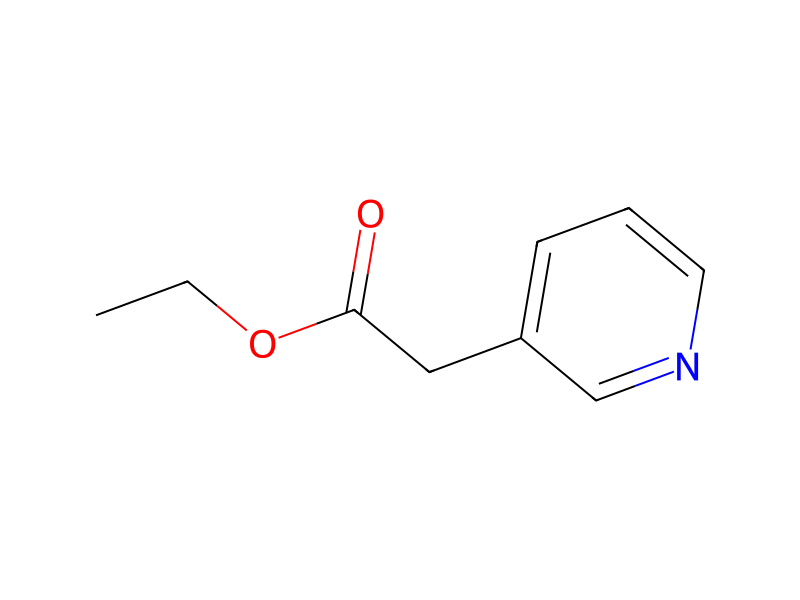
C([Li:5])CCC.[CH:6]([NH:9][CH:10]([CH3:12])[CH3:11])([CH3:8])[CH3:7].[N:13]1[CH:18]=[CH:17][CH:16]=[C:15]([CH2:19][C:20]([O:22]CC)=O)[CH:14]=1.[F:25][C:26]1[CH:35]=[C:34]([F:36])[CH:33]=[CH:32][C:27]=1C(OC)=O>CCCCCC.O1CCCC1.Cl>[CH:6]([N-:9][CH:10]([CH3:12])[CH3:11])([CH3:8])[CH3:7].[Li+:5].[F:25][C:26]1[CH:35]=[C:34]([F:36])[CH:33]=[CH:32][C:27]=1[C:20](=[O:22])[CH2:19][C:15]1[CH:14]=[N:13][CH:18]=[CH:17][CH:16]=1Participants
Reactant 4



Product 2


Reagents, catalysts & solvents 3



Procedure
A solution of lithium diisopropylamide was prepared using n-butyllithium (66 ml of a 1.6M solution in hexane) and diisopropylamine (10.8 g) in dry tetrahydrofuran (200 ml) under an atmosphere of dry nitrogen as described in Example 1(i). Ethyl 3-pyridylacetate was added dropwise to this solution at -70°. The thick mixture was stirred at -70° for 0.25 hour and then a solution of methyl 2,4-diflourobenzoate (18.36 g) in dry tetrahydrofuran (100 ml) was added over 0.05 hour. The cooling bath was removed and the mixture was stirred at room temperature for 5 hours. Acetic acid (12 ml) was added and the mixture was diluted with water and ethyl acetate. The organic layer was separated, dried (Na2SO4) and evaporated to give an oil which was heated under reflux in concentrated hydrochloric acid (40 ml) for 5 hours. The solution was evaporated, the residue was dissolved in water and concentrated ammonia solution was added to ca. pH7. The mixture was extracted twice with ethyl acetate and the combined extracts were washed with brine and dried (Na2SO4). Evaporation of the solvent gave an oil which was chromatographed on silica gel. Elution with dichloromethane/ethyl acetate (70:30) gave the title compound as an oil (6.98 g) which was used directly in the next stage.
Workup
- customThe cooling bath was removed
- stirringthe mixture was stirred at room temperature for 5 hours
- additionAcetic acid (12 ml) was added
- additionthe mixture was diluted with water and ethyl acetate
- customThe organic layer was separated
- dry with materialdried (Na2SO4)
- customevaporated
- customto give an oil which
- temperaturewas heated
- customThe solution was evaporated
- dissolutionthe residue was dissolved in water
- additionconcentrated ammonia solution was added to ca. pH7
- extractionThe mixture was extracted twice with ethyl acetate
- washthe combined extracts were washed with brine
- dry with materialdried (Na2SO4)
- customEvaporation of the solvent
- customgave an oil which
- customwas chromatographed on silica gel
- washElution with dichloromethane/ethyl acetate (70:30)
Sources & evidence
- ORD record
- ord-b448ee70148f4e41b086267cf65002f6
- Source dataset
- uspto-grants-1994_11
- Patent number
- US05364938
Reaction notes
Loading…