Cyclobutanone → HCID 86600245, compound
Reaction equation

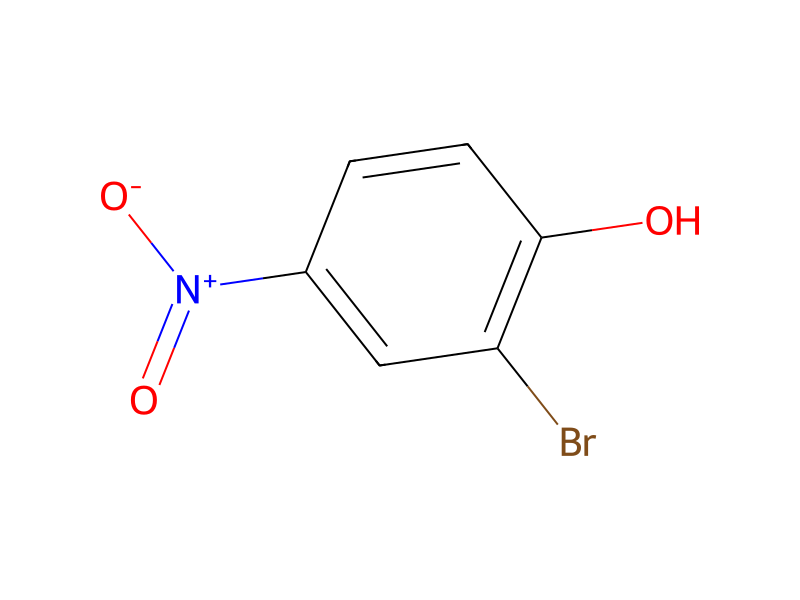
[Br:1][C:2]1[CH:7]=[C:6]([N+:8]([O-])=O)[CH:5]=[CH:4][C:3]=1[OH:11].[C:12]([N:19]1[CH2:24][CH2:23][CH:22](O)[CH2:21][CH2:20]1)(OC(C)(C)C)=O.[C:26]1(=O)[CH2:29]C[CH2:27]1.O.[C:32]1([CH3:42])[CH:37]=[CH:36][C:35]([S:38]([OH:41])(=[O:40])=[O:39])=[CH:34][CH:33]=1>>[S:38]([C:35]1[CH:36]=[CH:37][C:32]([CH3:42])=[CH:33][CH:34]=1)([OH:41])(=[O:40])=[O:39].[Br:1][C:2]1[CH:7]=[C:6]([CH:5]=[CH:4][C:3]=1[O:11][CH:22]1[CH2:21][CH2:20][N:19]([CH:12]2[CH2:29][CH2:26][CH2:27]2)[CH2:24][CH2:23]1)[NH2:8]Participants
5



Procedure
3-bromo-4-[(1-cyclobutylpiperidin-4-yl)oxy]aniline was obtained according to the method of Example 94, using 2-bromo-4-nitrophenol, N-Boc-4-piperidinol and cyclobutanone as starting materials. By treating this with 1 Eq of p-toluenesulfonic acid monohydrate, the target compound was obtained as a colorless solid. 2-bromo-4-nitrophenol was manufactured by the method described in the literature (J. Org. Chem., Vol. 62, 1997, p. 4504).
Workup
- customthe target compound was obtained as a colorless solid
Sources & evidence
- ORD record
- ord-00c8959156f14d9e8f8d56af056367ce
- Source dataset
- uspto-grants-2012_09
- Patent number
- US08268842B2
Reaction notes
Loading…