Hydrochloric Acid → 1-Benzyl-4-(dimethylamino)piperidine-4-carbonitrile
Reaction equation

Cl.[CH3:2][NH:3][CH3:4].[C-]#N.[K+].[CH3:8][NH:9]C.[CH2:11]([N:18]1[CH2:23][CH2:22][C:21](=O)[CH2:20][CH2:19]1)[C:12]1[CH:17]=[CH:16][CH:15]=[CH:14][CH:13]=1.Cl>O.CO.CCOC(C)=O.CCCCCC>[CH2:11]([N:18]1[CH2:23][CH2:22][C:21]([N:3]([CH3:4])[CH3:2])([C:8]#[N:9])[CH2:20][CH2:19]1)[C:12]1[CH:17]=[CH:16][CH:15]=[CH:14][CH:13]=1Participants
Reactant 5

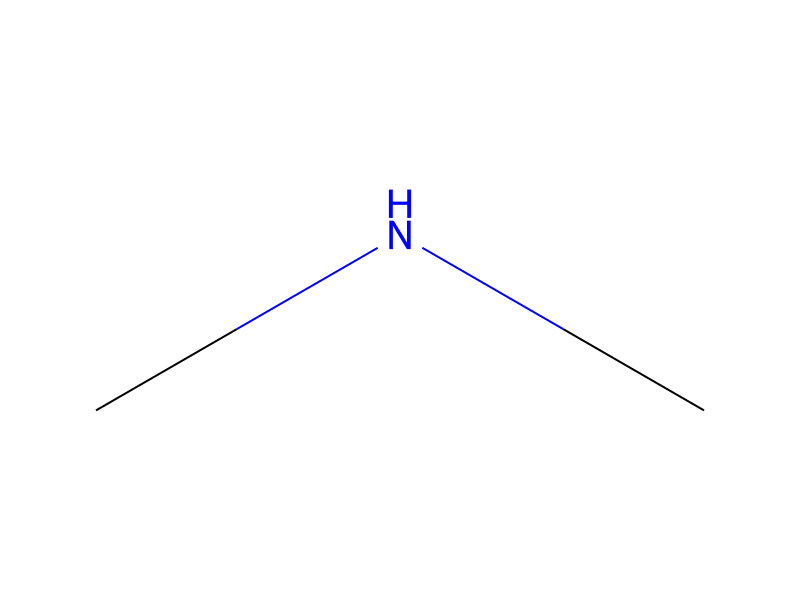

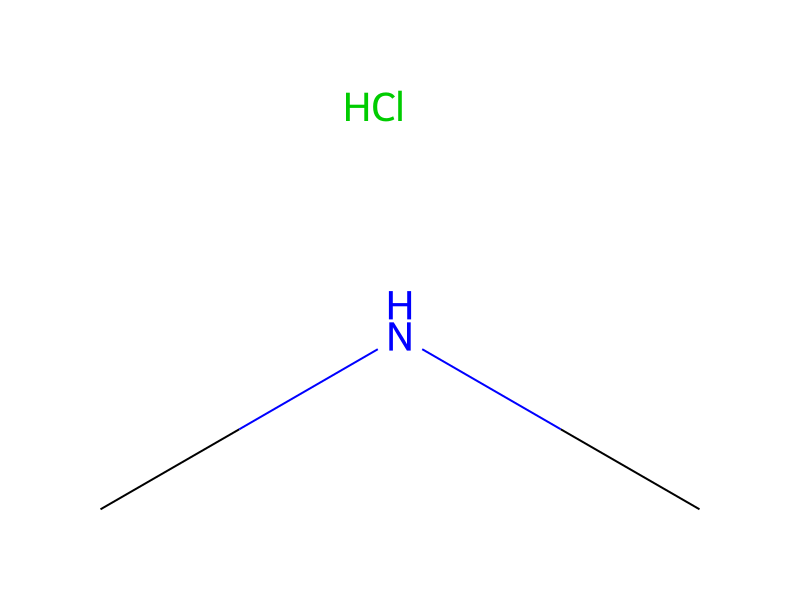

Product 1

Reagents, catalysts & solvents 3



Conditions
- Temperature
- 0 °C
Procedure
208 g (3 equiv.) of N,N-dimethylamine hydrochloride, 154 g (3 equiv.) of potassium cyanide in 154 ml of water and 1050 ml (7 equiv.) of a 40% aqueous dimethylamine solution were added to a solution of 150 g (1 equiv.) of 1-benzyl-piperidin-4-one in 300 ml of methanol, and the mixture was cooled to 0° C. 75 ml (0.5 equiv.) of concentrated hydrochloric acid were then added at 0° C. and the reaction mixture was stirred for 24 hours at room temperature. The progress of the reaction was monitored by thin-layer chromatography (20% EtOAc/hexane). When the reaction was complete, the solid that had formed was filtered off and washed with ice-water (4 l). The resulting solid was then dissolved in ethyl acetate and dried with Na2SO4. After removal of the solvent under reduced pressure, 165 g (85%) of crude product were obtained in the form of a solid.
Workup
- customthe solid that had formed
- filtrationwas filtered off
- washwashed with ice-water (4 l)
- dissolutionThe resulting solid was then dissolved in ethyl acetate
- dry with materialdried with Na2SO4
- customAfter removal of the solvent under reduced pressure
Sources & evidence
- ORD record
- ord-25b402e23bb0459895b3a45f385b132b
- Source dataset
- uspto-grants-2012_09
- Patent number
- US08269000B2
Reaction notes
Loading…