Piperazine → 1-(2-Nitrophenyl)piperazine
Reaction equation

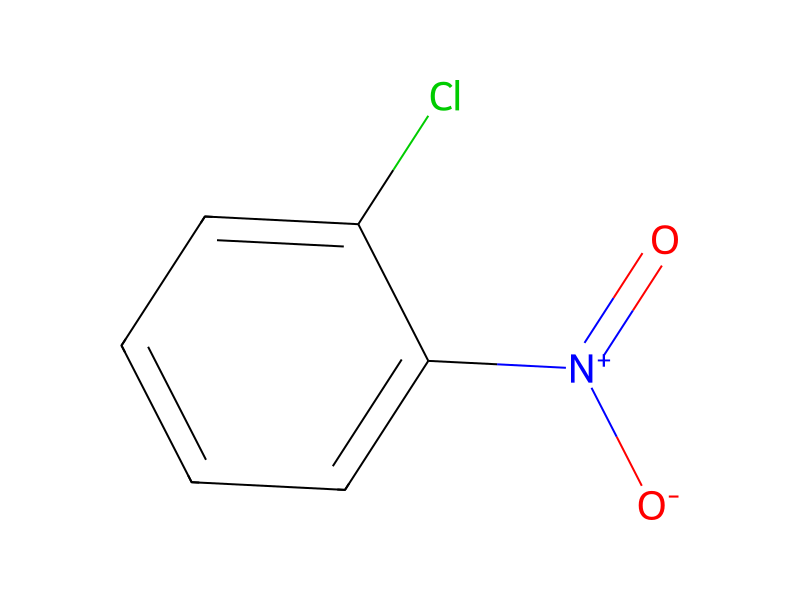
[NH:1]1[CH2:6][CH2:5][NH:4][CH2:3][CH2:2]1.C(=O)([O-])[O-].[K+].[K+].Cl[C:14]1[CH:19]=[CH:18][CH:17]=[CH:16][C:15]=1[N+:20]([O-:22])=[O:21]>C(#N)C.C(Cl)Cl>[N+:20]([C:15]1[CH:16]=[CH:17][CH:18]=[CH:19][C:14]=1[N:1]1[CH2:6][CH2:5][NH:4][CH2:3][CH2:2]1)([O-:22])=[O:21]Participants
6
Reactant 3


Product 1

Reagents, catalysts & solvents 2


Procedure
Piperazine (24.46 g) is dissolved in acetonitrile (200 ml) and anhydrous potassium carbonate (10.47 g) is added. Then 2-chloronitrobenzene (10.0 g) is added dropwise. After stirring 1 hr at 20°, the reaction mixture is diluted with methylene chloride, washed with water, and saturated aqueous potassium carbonate. After drying over anhydrous sodium sulfate, the reaction mixture is concentrated under reduced pressure to give the title compound, NMR (300 MHz, CDCl3) 7.75, 7.49, 7.14, 7.04, 3.03 and 1.93 δ.
Workup
- washwashed with water, and saturated aqueous potassium carbonate
- dry with materialAfter drying over anhydrous sodium sulfate
- concentrationthe reaction mixture is concentrated under reduced pressure
Sources & evidence
- ORD record
- ord-51cecae43ee0493b86e43932a3c9668f
- Source dataset
- uspto-grants-1996_02
- Patent number
- US05489593
Reaction notes
Loading…