Hydrochloric Acid → 2-(6-Chloropyridin-3-yl)ethan-1-ol
Reaction equation

[Cl:1][C:2]1[N:7]=[CH:6][C:5]([CH2:8][C:9](O)=[O:10])=[CH:4][CH:3]=1.B.Cl.C(=O)(O)[O-].[Na+]>C1COCC1>[Cl:1][C:2]1[N:7]=[CH:6][C:5]([CH2:8][CH2:9][OH:10])=[CH:4][CH:3]=1Participants
6
Reactant 4

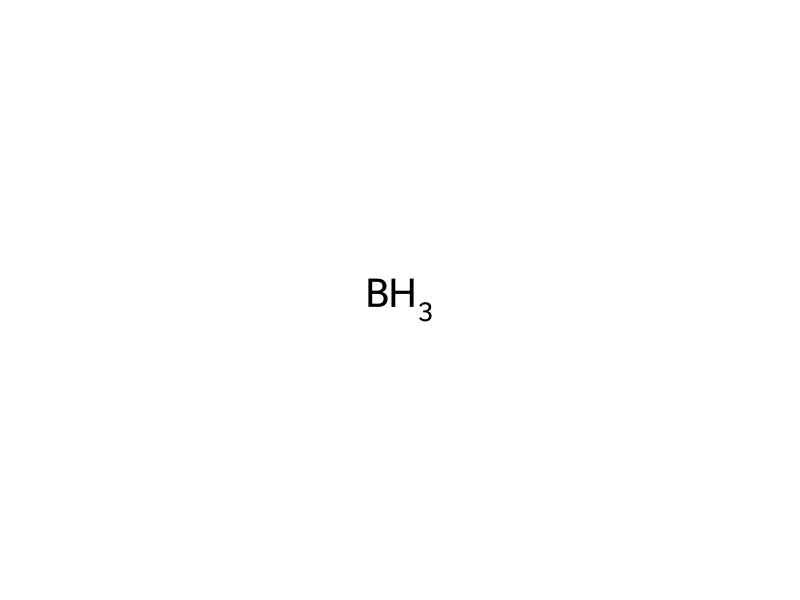


Product 1

Reagents, catalysts & solvents 1

Procedure
To solid (6-chloro-pyridin-3-yl)-acetic acid (172 mg, 1 mmol) was added borane in THF (1M, 5 ml) and the reaction was stirred at room temperature. After 2 hours, the reaction was heated to 50 degC for 90 minutes. Aqueous hydrochloric acid (2N, 8 ml) was added to the reaction and it was allowed to cool to room temperature. After 10 minutes the reaction was basified with saturated aqueous sodium bicarbonate and extracted into ethyl acetate. The organic liquors were washed with water (×2) and brine, dried (MgSO4) and concentrated to furnish the crude product as a yellow oil (126 mg). This material was used as such in the coupling reaction. MS: [M+H]+158.
Workup
- temperaturethe reaction was heated to 50 degC for 90 minutes
- temperatureto cool to room temperature
- extractionextracted into ethyl acetate
- washThe organic liquors were washed with water (×2) and brine
- dry with materialdried (MgSO4)
- concentrationconcentrated
Sources & evidence
- ORD record
- ord-a7af09d1d98e49b48ce8971dc0cc85f2
- Source dataset
- uspto-grants-2014_08
- Patent number
- US08796244B2
Reaction notes
Loading…