Acetic Anhydride → 1-(5-Bromo-4-fluoroindazol-1-yl)ethanone
Reaction equation

[Br:1][C:2]1[CH:7]=[CH:6][C:5]([NH:8][C:9](=[O:11])[CH3:10])=[C:4]([CH3:12])[C:3]=1[F:13].C(OC(=O)C)(=O)C.C([O-])(=O)C.[K+].C1OCCOCCOCCOCCOCCOC1.[N:44](OCCC(C)C)=O>ClCCCl>[Br:1][C:2]1[C:3]([F:13])=[C:4]2[C:5](=[CH:6][CH:7]=1)[N:8]([C:9](=[O:11])[CH3:10])[N:44]=[CH:12]2Participants
7






Conditions
- Temperature
- 65 °C
Procedure
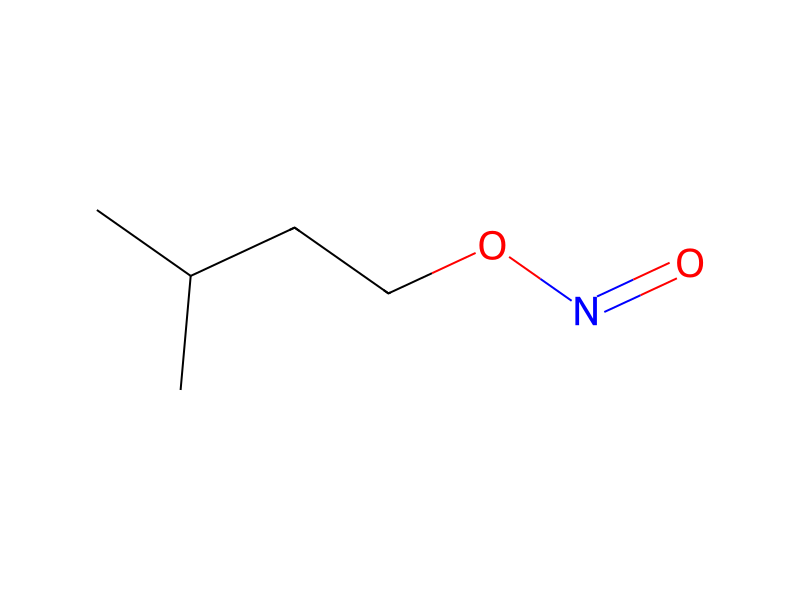
N-(4-Bromo-3-fluoro-2-methylphenyl)acetamide (36 mmol) was suspended in 1,2 dichloroethane (150 mL) and acetic anhydride (108 mmol), potassium acetate (74 mmol), 18-Crown-6 (1.4 mmol) and isopentyl nitrite (79 mmol) were added sequentially. The mixture was heated at 65° C. for 24 h, cooled to rt and washed with sat. NaHCO3. The organic layer was dried (Na2SO4) and concentrated and the residue was purified by flash chromatography (0-20% EtOAc/hexanes). 1-(5-Bromo-4-fluoroindazol-1-yl)ethanone was obtained as a brown solid.
Workup
- temperaturecooled to rt
- washwashed with sat. NaHCO3
- dry with materialThe organic layer was dried (Na2SO4)
- concentrationconcentrated
- customthe residue was purified by flash chromatography (0-20% EtOAc/hexanes)
Sources & evidence
- ORD record
- ord-8abd23e0bbd14ffaa927ae166b7db053
- Source dataset
- uspto-grants-2014_08
- Patent number
- US08796256B2
Reaction notes
Loading…