4-Chlorophenol → 2-[2-Nitro-3-(4-chlorophenoxy)phenyl]acetic acid
Reaction equation

[N+:1]([C:4]1[C:9](Cl)=[CH:8][CH:7]=[CH:6][C:5]=1[CH2:11][C:12]([O:14]CC)=[O:13])([O-:3])=[O:2].[Cl:17][C:18]1[CH:23]=[CH:22][C:21]([OH:24])=[CH:20][CH:19]=1.C(=O)([O-])[O-].[K+].[K+]>>[N+:1]([C:4]1[C:9]([O:24][C:21]2[CH:22]=[CH:23][C:18]([Cl:17])=[CH:19][CH:20]=2)=[CH:8][CH:7]=[CH:6][C:5]=1[CH2:11][C:12]([OH:14])=[O:13])([O-:3])=[O:2]Participants
4
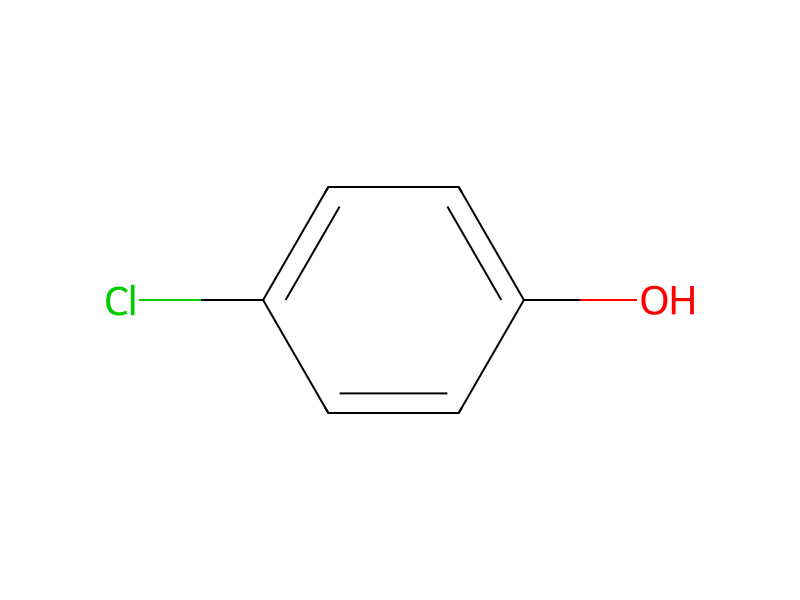



Procedure
A mixture of ethyl 2-(2-nitro-3-chlorophenyl)acetate (10 g.), 4-chlorophenol (7.8 g.), anhydrous potassium carbonate (8.5 g.) and cupric oxide (3 g.) was treated in a similar manner to the above Preparations to give 2-[2-nitro-3-(4-chlorophenoxy)phenyl]acetic acid (6.9 g.). mp 167° to 170° C.
Workup
- additionwas treated in a similar manner to the above Preparations
Sources & evidence
- ORD record
- ord-a4144ec4f83747db8147823d1b4faf82
- Source dataset
- uspto-grants-1984_09
- Patent number
- US04472433
Reaction notes
Loading…