Hydrochloric Acid → HCID 20445319, compound
Reaction equation

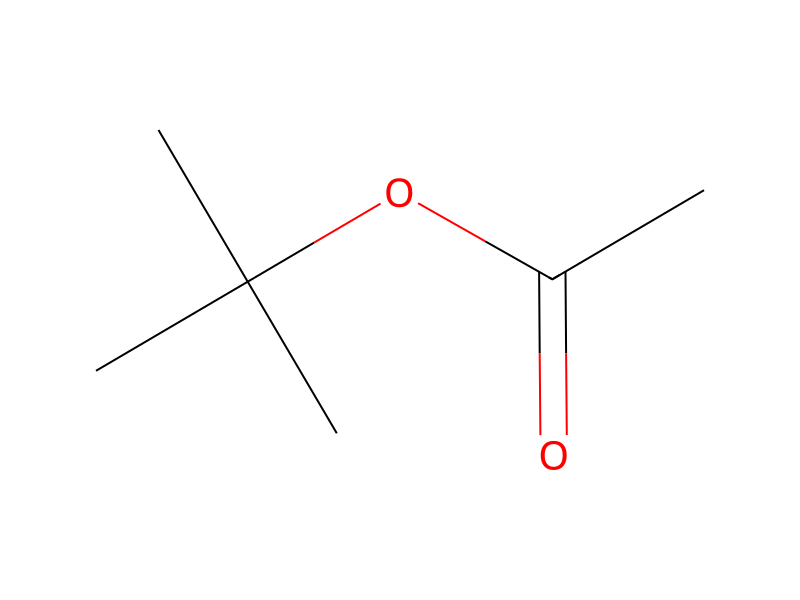
C([O:5][C:6](=[O:8])[CH3:7])(C)(C)C.C([N-]C(C)C)(C)C.[Li+].[CH3:17][O:18][C:19]1[C:28]([O:29][CH3:30])=[CH:27][CH:26]=[C:25]2[C:20]=1[CH2:21][CH2:22][CH2:23][C:24]2=O.Cl.Cl.C(O)(=O)C>C1COCC1.O.CO>[CH3:17][O:18][C:19]1[C:28]([O:29][CH3:30])=[CH:27][CH:26]=[C:25]2[C:20]=1[CH2:21][CH2:22][CH:23]=[C:24]2[CH2:7][C:6]([OH:8])=[O:5]Participants
Reactant 5



Product 1

Reagents, catalysts & solvents 3



Conditions
- Temperature
- 0 °C
Procedure
tert-Butylacetate is added to a solution of lithium di-isopropyl amide in THF at -78° C. To this solution is added 5,6-dimethoxy-1,2,3,4-tetrahydro-1-naphthalenone and the resulting mixture is stirred at 0° C. for 20 minutes, then cooled back to -78° C. One equivalent of HCl in water is added to the solution, followed by concentration of this mixture. The residue is heated with a solution of HCl/acetic acid (1:1) in water and methanol for 20 minutes, giving 5,6-dimethoxy-3,4-dihydronaphthalene-1-acetic acid. The latter acid is refluxed in benzene with PCl3 for one hour. This solution is filtered while hot, and the filtrate is concentrated and added to at 0° C. triethylamine and 1-(2-methoxyphenyl)piperazine in chloroform to give the corresponding amide. This intermediate product is reduced to the amine by refluxing in THF with lithium aluminum hydride for 2 hours and decomposing the excess lithium aluminum hydride with H2O and NaOH. The lithium and aluminum salts are removed, the THF concentrated, and the residue treated with HCl and isopropyl alcohol to yield 1-(2[4-(2-methoxyphenyl) piperazinyl]ethyl)-5,6-dimethoxy-3,4-dihydronaphthalene HCl.
Workup
- temperaturecooled back to -78° C
Sources & evidence
- ORD record
- ord-7b8268082c5e4e70a95de794c6e54dbf
- Source dataset
- uspto-grants-1984_09
- Patent number
- US04473586
Reaction notes
Loading…