Hydrochloric Acid → HCID 86735951, compound
Reaction equation

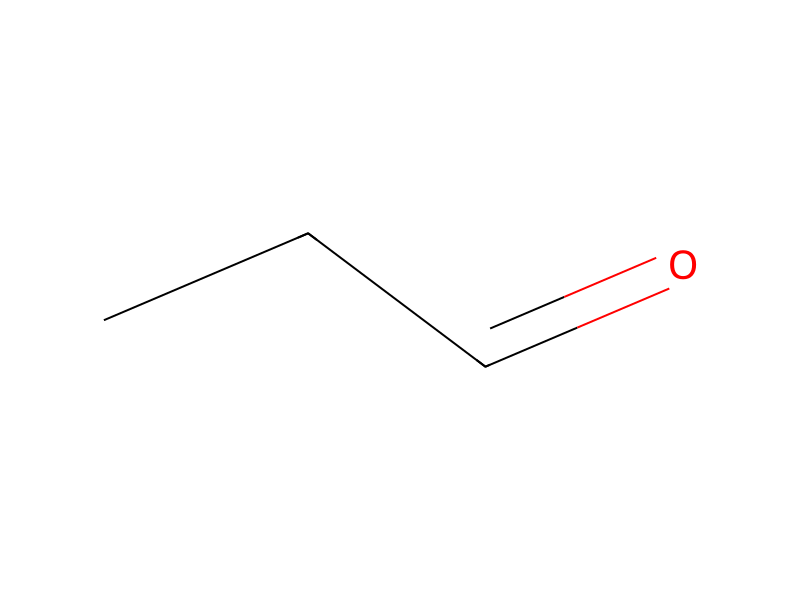
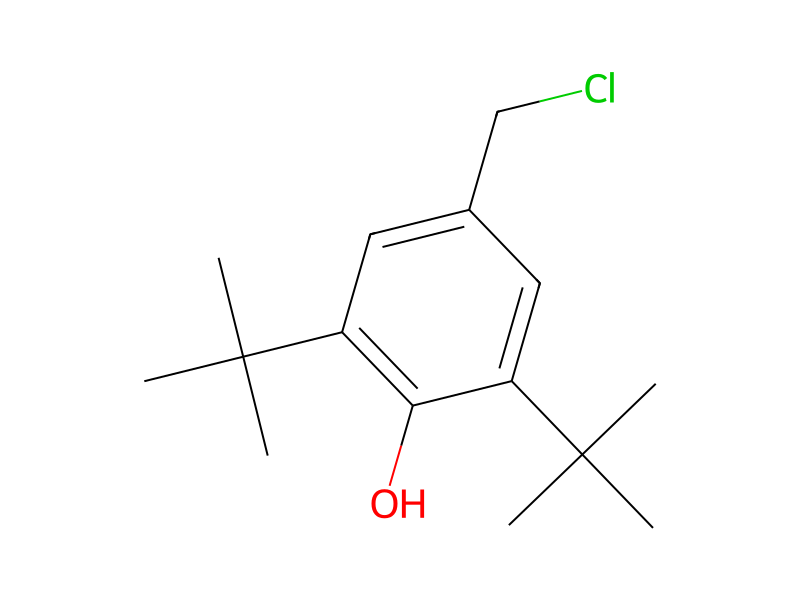
[OH-].[Na+].[C:3]([C:7]1[CH:8]=[C:9]([CH:12]=[C:13]([C:16]([CH3:19])([CH3:18])[CH3:17])[C:14]=1[OH:15])[CH2:10]Cl)([CH3:6])([CH3:5])[CH3:4].[CH:20](=[O:23])[CH2:21][CH3:22].Cl>[Br-].C([N+](CCCC)(CCCC)CCCC)CCC.C1C=CC=CC=1.O>[C:3]([C:7]1[CH:8]=[C:9]([CH:12]=[C:13]([C:16]([CH3:19])([CH3:18])[CH3:17])[C:14]=1[OH:15])[CH2:10][CH:21]([CH3:22])[CH:20]=[O:23])([CH3:6])([CH3:5])[CH3:4]Participants






Conditions
- Temperature
- 70 °C
Procedure
A mixture of 30 grams of sodium hydroxide, 5 grams of tetrabutylammonium bromide, 60 milliliters of water and 250 milliliters of benzene is heated to 70° C. and to it is added over a period of 5 hours a solution of 127.5 grams of 3,5-di-t-butyl-4-hydroxybenzyl chloride and 17.5 grams of propionaldehyde in 125 milliliters of benzene. The reaction mixture is stirred for an additional 30 minutes at 70° C. and is then neutralized by the addition of a solution of 50 milliliters of concentrated hydrochloric acid in 100 milliliters of water. The layers are separated and benzene is removed from the organic layer on a rotary evaporator. The viscous residue crystallizes on mixing with hexane and the solid is separated by filtration. There is obtained 67.5 grams of 2,2-bis(3,5-ditert.butyl-4-hydroxybenzyl propionaldehyde.
Workup
- customThe layers are separated
- custombenzene is removed from the organic layer on a rotary evaporator
- customThe viscous residue crystallizes
- additionon mixing with hexane
- customthe solid is separated by filtration
Sources & evidence
- ORD record
- ord-f4b1922212f24e8a84f1fc2b2d223e30
- Source dataset
- uspto-grants-1978_08
- Patent number
- US04108830
Reaction notes
Loading…