Ammonia → 3-Iodoquinolin-6-ol
Reaction equation

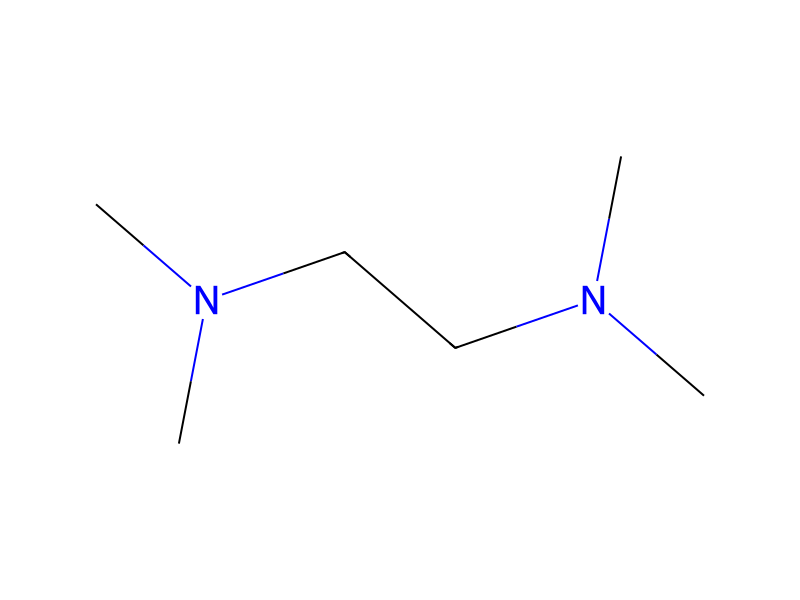
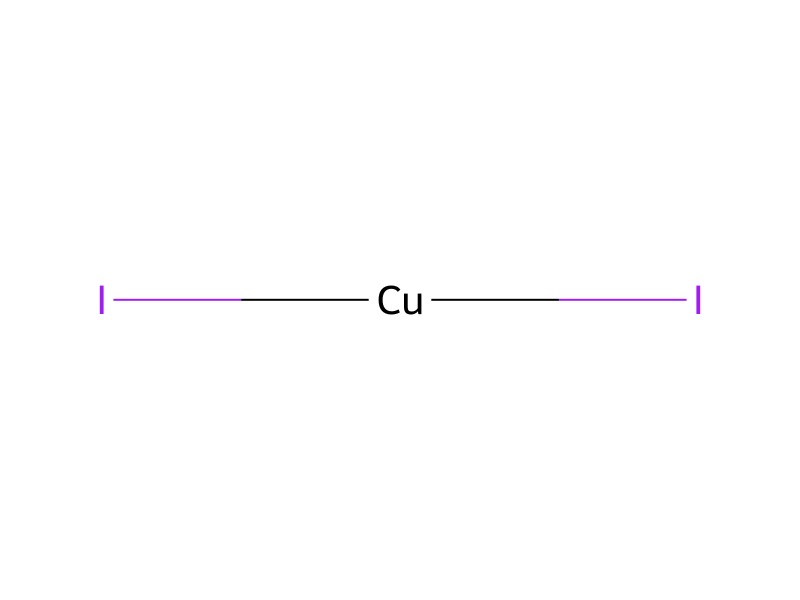
Br[C:2]1[CH:3]=[N:4][C:5]2[C:10]([CH:11]=1)=[CH:9][C:8]([OH:12])=[CH:7][CH:6]=2.[I-:13].[Na+].CN(C)CCN(C)C.N.Cl>O1CCOCC1.[Cu](I)I>[I:13][C:2]1[CH:3]=[N:4][C:5]2[C:10]([CH:11]=1)=[CH:9][C:8]([OH:12])=[CH:7][CH:6]=2Participants
8






Conditions
- Temperature
- 120 °C
Procedure
To a stirred mixture of 3-bromo-6-hydroxyquinoline (preparation described in Liebigs Ann Chem (1966), 98-106) (1.0 g), sodium iodide (1.34 g) and copper iodide (0.09 g) in dioxane (6.5 ml) was added N,N,N′,N′-tetramethyl-ethane-1,2-diamine (0.1 ml) in a sealed tube. The mixture was stirred at 120° C. for 12 h and upon cooling was treated with aqueous ammonia followed by aqueous hydrochloric acid. Extraction with ethyl acetate, drying of the organic phase over magnesium sulphate, filtration and evaporation under reduced pressure gave the required product (MH+ 272) as a light brown coloured powder that was used as such in the next step.
Workup
- temperatureupon cooling
- extractionExtraction with ethyl acetate
- dry with materialdrying of the organic phase over magnesium sulphate, filtration and evaporation under reduced pressure
Sources & evidence
- ORD record
- ord-80c853557212485e89e745fbfae8454a
- Source dataset
- uspto-grants-2011_06
- Patent number
- US07956188B2
Reaction notes
Loading…