Methylamine → Hydrochloric Acid
Reaction equation

C([N:4]1[CH2:10][CH:9]([C:11]2[CH:16]=[CH:15][CH:14]=[CH:13][CH:12]=2)[C:8]2[CH:17]=[C:18]([O:25][CH3:26])[C:19]([S:21]([Cl:24])(=[O:23])=[O:22])=[CH:20][C:7]=2[CH2:6][CH2:5]1)(=O)C.[CH3:27][NH2:28]>>[ClH:24].[ClH:24].[CH3:26][O:25][C:18]1[C:19]([S:21](=[O:23])(=[O:22])[NH:28][CH3:27])=[CH:20][C:7]2[CH2:6][CH2:5][NH:4][CH2:10][CH:9]([C:11]3[CH:16]=[CH:15][CH:14]=[CH:13][CH:12]=3)[C:8]=2[CH:17]=1Participants
4
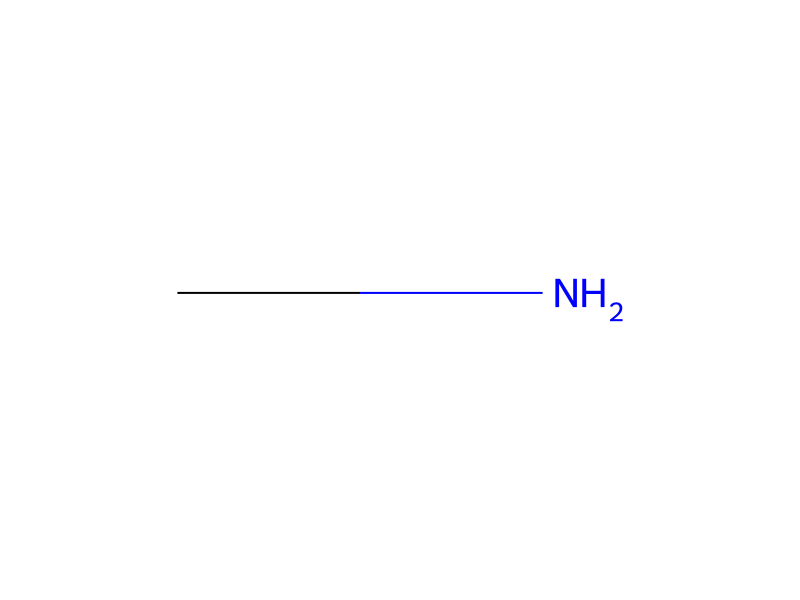



Procedure
Following the general procedure of Example 2, 3-acetyl-7-chlorosulfonyl-8-methoxy-1-phenyl-2,3,4,5-tetrahydro-1H-3-benzazepine is treated with methylamine and then with refluxing hydrochloric acid to give 8-methoxy-7-(N-methylsulfamoyl)-1-phenyl-2,3,4,5-tetrahydro-1H-3-benzazepine hydrochloride. By the procedure of Example 2, the methoxy compound is treated with hydrobromic acid to afford 8-hydroxy-7 (N-methylsulfamoyl)-1-phenyl-2,3,4,5-tetrahydro-1H-3-benzazepine hydrobromide.
Sources & evidence
- ORD record
- ord-352432af886f40e6bec81224bf4058aa
- Source dataset
- uspto-grants-1987_11
- Patent number
- US04707483
Reaction notes
Loading…