Sodium hydride → 6-Bromo-1-(2-methoxy-ethyl)-1H-indole-3-carboxylic acid methyl ester
Reaction equation

[H-].[Na+].[CH3:3][O:4][C:5]([C:7]1[C:15]2[C:10](=[CH:11][C:12]([Br:16])=[CH:13][CH:14]=2)[NH:9][CH:8]=1)=[O:6].Br[CH2:18][CH2:19][O:20][CH3:21]>CN(C=O)C>[CH3:3][O:4][C:5]([C:7]1[C:15]2[C:10](=[CH:11][C:12]([Br:16])=[CH:13][CH:14]=2)[N:9]([CH2:18][CH2:19][O:20][CH3:21])[CH:8]=1)=[O:6]Participants

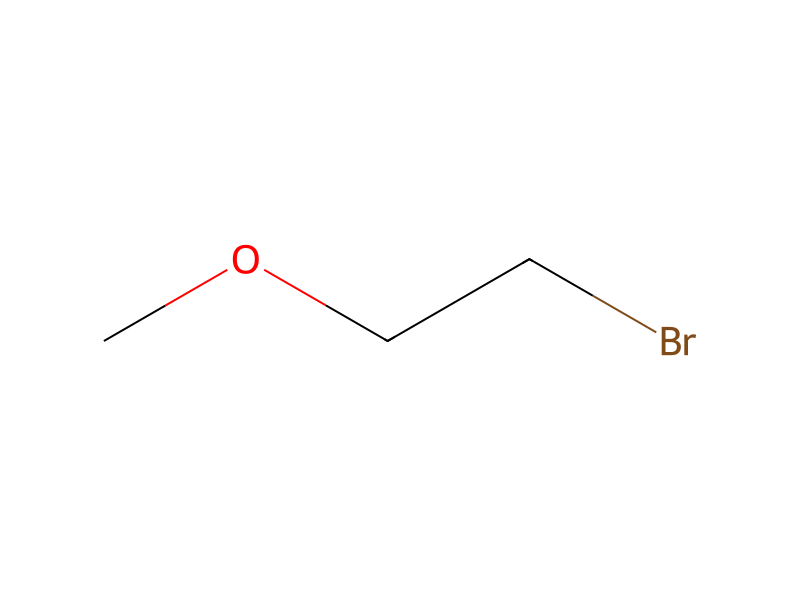



Conditions
- Temperature
- 60 °C
Procedure
Sodium hydride (60% in mineral oil, 87 mg, 2.2 mmol) is added to a solution of 6-bromo-1H-indole-3-carboxylic acid methyl ester (500 mg, 1.97 mmol) in DMF (5 mL) at room temperature and the mixture is stirred for 30 minutes. To the reaction mixture is added 1-bromo-2-methoxy-ethane (222 μL, 2.36 mmol). After one hour, sodium hydride (20 mg) is added. Thirty minutes later, 1-bromo-2-methoxy-ethane (60 μL) is added. The mixture is heated to 60° C. for one hour. The cooled mixture is quenched with a small amount of water and concentrated under reduced pressure. The residue is taken up in ethyl acetate and filtered. The filtrate is concentrated under reduced pressure and the resulting residue is purified by column chromatography (gradient: 10 to 60% ethyl acetate/heptane) followed by purification via radial chromatography (gradient: 0 to 1% MeOH/CH2Cl2) to provide the title compound (386 mg, 63%). ES/MS m/e 314.0 (M+2).
Workup
- waitAfter one hour
- customThe cooled mixture is quenched with a small amount of water
- concentrationconcentrated under reduced pressure
- filtrationfiltered
- concentrationThe filtrate is concentrated under reduced pressure
- customthe resulting residue is purified by column chromatography (gradient: 10 to 60% ethyl acetate/heptane)
- customfollowed by purification via radial chromatography (gradient: 0 to 1% MeOH/CH2Cl2)
Sources & evidence
- ORD record
- ord-f3dfac47506d48e78a855f4799b568e0
- Source dataset
- uspto-grants-2011_01
- Patent number
- US07863302B2
Reaction notes
Loading…