Potassium Carbonate → HCID 11625924, compound
Reaction equation

[Br:1][C:2]1[CH:3]=[C:4]([Cl:20])[CH:5]=[C:6]2[C:11]=1[CH2:10][N:9]([CH3:12])[CH2:8][CH:7]2[C:13]1[CH:18]=[CH:17][CH:16]=[CH:15][C:14]=1[NH2:19].Cl[CH2:22][CH2:23][CH2:24][C:25](Cl)=[O:26].C(=O)([O-])[O-].[K+].[K+]>CS(C)=O>[Br:1][C:2]1[CH:3]=[C:4]([Cl:20])[CH:5]=[C:6]2[C:11]=1[CH2:10][N:9]([CH3:12])[CH2:8][CH:7]2[C:13]1[CH:18]=[CH:17][CH:16]=[CH:15][C:14]=1[N:19]1[CH2:22][CH2:23][CH2:24][C:25]1=[O:26]Participants
5
Reactant 3

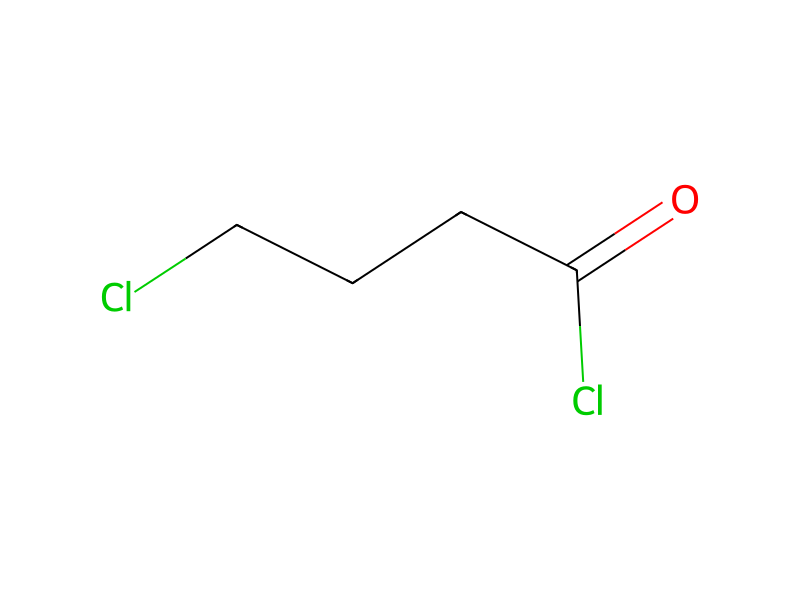

Product 1

Reagents, catalysts & solvents 1

Procedure
Analogously to example 36, 2-(8-bromo-6-chloro-2-methyl-1,2,3,4-tetrahydroisoquinolin-4-yl)phenylamine (80 mg) was reacted with 4-chlorobutyryl chloride (35 mg) and the resulting amide was subsequently ring-closed with potassium carbonate in DMSO.
Sources & evidence
- ORD record
- ord-17442275a0b0400094896c2809542f17
- Source dataset
- uspto-grants-2011_01
- Patent number
- US07868003B2
Reaction notes
Loading…