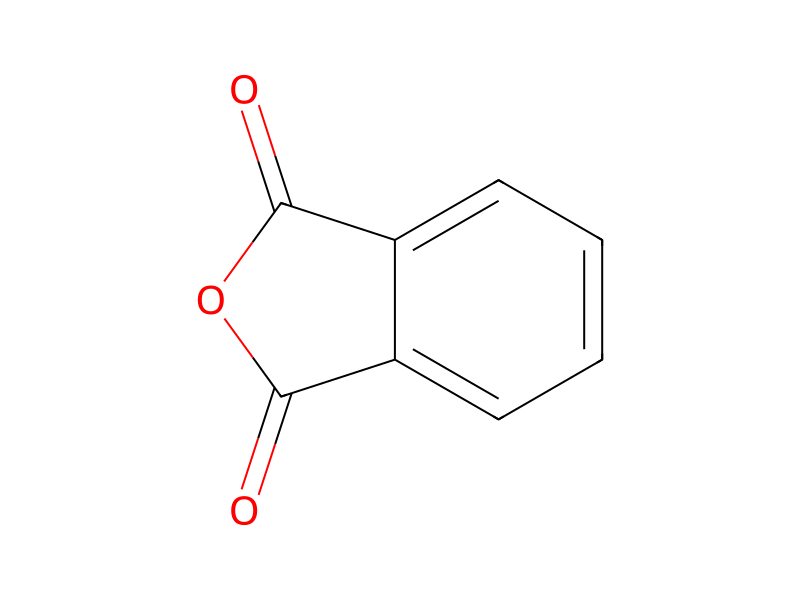
Phthalic Anhydride → 4-Bromo-5-chlorothiophene-2-carbonitrile
Reaction equation

Cl.NO.C([N:6]([CH2:9][CH3:10])CC)C.[Br:11][C:12]1[CH:13]=C(C=O)[S:15][C:16]=1[Cl:17].C1(=O)OC(=O)C2=CC=CC=C12>C(#N)C.C(OCC)(=O)C>[Br:11][C:12]1[CH:13]=[C:10]([C:9]#[N:6])[S:15][C:16]=1[Cl:17]Participants
Reactant 4



Product 1

Reagents, catalysts & solvents 2


Procedure
Hydroxylamine hydrochloride (Aldrich, 4.91 g, 70.66 mmol) and triethylamine (anhydrous, 11.2 mL, 80.36 mmol) were added to a 0° C. solution of 4-bromo-5-chloro-thiophene-2-carbaldehyde (Example 24: step a, 10.63 g, 47.14 mmol) in acetonitrile (anhydrous, 250 mL). The reaction mixture was warmed to room temperature and stirred for 1 hour. Phthalic anhydride was added and the reaction mixture was heated to 80° C. overnight. The mixture was cooled to room temperature, diluted with ethyl acetate (400 mL), and washed with aqueous citric acid, saturated NaHCO3, water, and brine. The organic layer was dried over magnesium sulfate, filtered, concentrated in vacuo, and purified by column chromatography (silica gel, 5% ethyl acetate/hexanes) to afford the title compound as a pale yellow solid (9.76 g, 93% yield). 1H-NMR (CDCl3): δ 7.47 (s, 1H).
Workup
- temperaturethe reaction mixture was heated to 80° C. overnight
- temperatureThe mixture was cooled to room temperature
- washwashed with aqueous citric acid, saturated NaHCO3, water, and brine
- dry with materialThe organic layer was dried over magnesium sulfate
- filtrationfiltered
- concentrationconcentrated in vacuo
- custompurified by column chromatography (silica gel, 5% ethyl acetate/hexanes)
Sources & evidence
- ORD record
- ord-182e59ab9d964c17a9c1b5c687c6fd45
- Source dataset
- uspto-grants-2011_01
- Patent number
- US07868023B2
Reaction notes
Loading…