Phenol → 1-(4-Hydroxyphenyl)-3-(4-bromophenyl)-2-phenyl-2-propen-1-one
Reaction equation

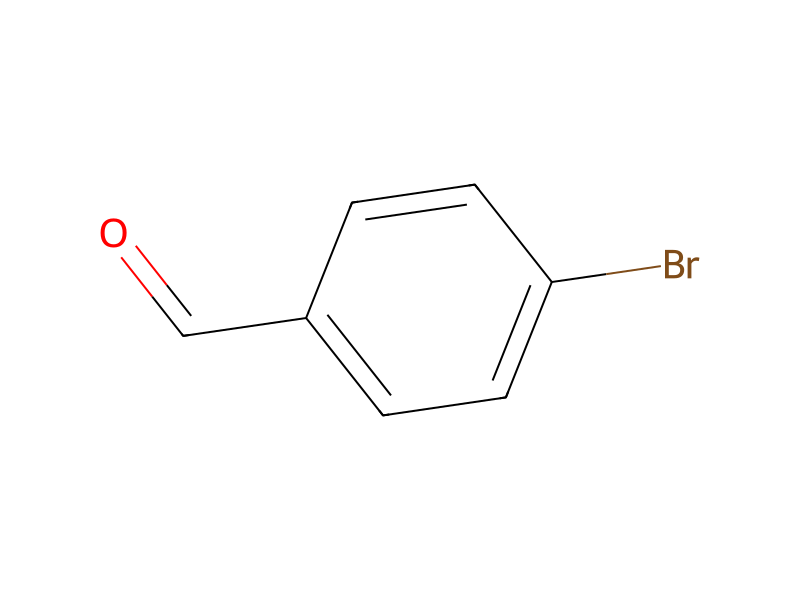
[OH:1][C:2]1[CH:7]=[CH:6][C:5]([C:8](=[O:16])[CH2:9][C:10]2[CH:15]=[CH:14][CH:13]=[CH:12][CH:11]=2)=[CH:4][CH:3]=1.[Br:17][C:18]1[CH:25]=[CH:24][C:21]([CH:22]=O)=[CH:20][CH:19]=1.N1CCCCC1.C1(O)C=CC=CC=1>CO>[OH:1][C:2]1[CH:3]=[CH:4][C:5]([C:8](=[O:16])[C:9]([C:10]2[CH:11]=[CH:12][CH:13]=[CH:14][CH:15]=2)=[CH:22][C:21]2[CH:24]=[CH:25][C:18]([Br:17])=[CH:19][CH:20]=2)=[CH:6][CH:7]=1Participants
6





Procedure
8.02 g (0.0378 mole) of 1-(4-hydroxyphenyl)-2-phenylethanone, 7.0 g (0.0378 mole) of 4-bromobenzaldehyde, 3.01 g (0.0353 mole) of piperidine and 16.5 ml of methanol was treated or mentioned under Example IA to give 13 g (74%) of crude product. 12.5 g (0.027 mole) of this phenol was refluxed with 120 ml and worked up as in Example IB. Recrystallization from methanol gave 5.2 g (51%) of the product.
Workup
- customto give 13 g (74%) of crude product
- customRecrystallization from methanol
Sources & evidence
- ORD record
- ord-59cd9cb00f1e40dbbc8499b363528a3b
- Source dataset
- uspto-grants-1977_07
- Patent number
- US04038415
Reaction notes
Loading…