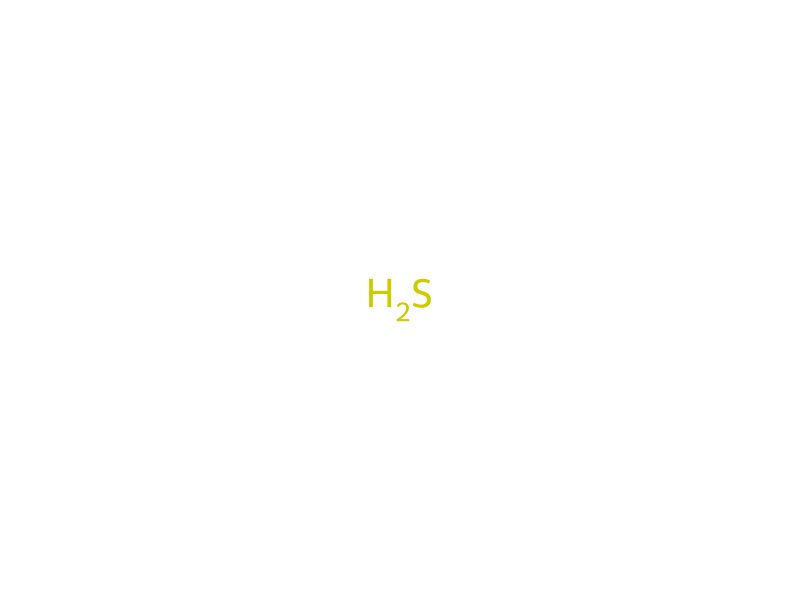
Hydrogen Sulfide → 2-Phenyl-4-amino-5-thiocarbamoylthiazole
Reaction equation

[C:1]1([C:7]2[S:8][C:9]([C:13]#[N:14])=[C:10]([NH2:12])[N:11]=2)[CH:6]=[CH:5][CH:4]=[CH:3][CH:2]=1.CN(C)C=O.[SH2:20]>C(N(CC)CC)C>[C:1]1([C:7]2[S:8][C:9]([C:13](=[S:20])[NH2:14])=[C:10]([NH2:12])[N:11]=2)[CH:2]=[CH:3][CH:4]=[CH:5][CH:6]=1Participants
5
Reactant 3


Product 1

Reagents, catalysts & solvents 1

Procedure
75 parts of 2-phenyl-4-amino-5-cyanothiazole in 300 parts of dimethylformamide and 15 parts of triethylamine are reacted with 13 parts of hydrogen sulfide as described in Example 1(a). 77 parts of 2-phenyl-4-amino-5-thiocarbamoylthiazole (89% of theory) of melting point 164°-167° C. are obtained.
Sources & evidence
- ORD record
- ord-d00c3903127941638ec2242bf6843463
- Source dataset
- uspto-grants-1979_05
- Patent number
- US04153607
Reaction notes
Loading…