Diethyl Ether → HCID 703889, compound
Reaction equation

[CH:1]1([C:7](Cl)=[O:8])[CH2:6][CH2:5][CH2:4][CH2:3][CH2:2]1.C(OCC)C.[CH2:15]([NH2:27])[CH2:16][C:17]1[CH:26]=[CH:25][C:22]([O:23][CH3:24])=[C:19]([O:20][CH3:21])[CH:18]=1.C(N(CC)CC)C>C(OCC)(=O)C.O>[CH3:21][O:20][C:19]1[CH:18]=[C:17]([CH2:16][CH2:15][NH:27][C:7]([CH:1]2[CH2:6][CH2:5][CH2:4][CH2:3][CH2:2]2)=[O:8])[CH:26]=[CH:25][C:22]=1[O:23][CH3:24]Participants
7
Reactant 4

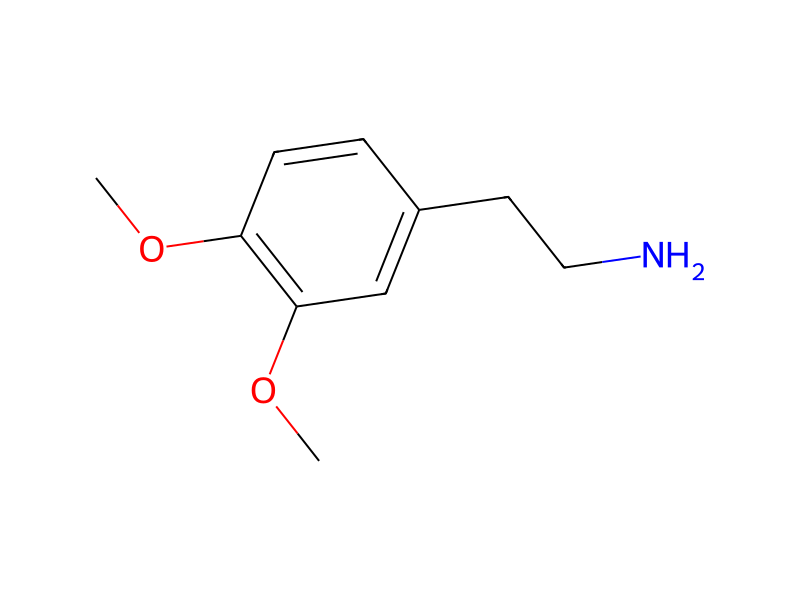


Product 1

Reagents, catalysts & solvents 2


Procedure
Dissolve 2.0 g. of cyclohexane carboxylic acid chloride in 10 ml. of ethyl ether and add to a previously prepared solution of 2.0 g. of homoveratrylamine in a mixture of 20 ml. of ethyl ether and 5.0 ml. of triethylamine. Stir the mixture for 15 minutes, then add 20 ml. of water and 25 ml. of ethyl acetate. Separate the layers and extract the aqueous layers several times with ethyl acetate. Combine the organic phases and wash with 2N hydrochloric acid, saturated sodium bicarbonate solution and water. Dry the organic layer over anhydrous sodium sulfate, filter and evaporate to a residue. Crystallize the residue from ethyl acetate to obtain the product of this step, m.p. 110°-111°C.
Workup
- dissolutionDissolve 2.0 g
- additionadd 20 ml
- customSeparate the layers
- extractionextract the aqueous layers several times with ethyl acetate
- washwash with 2N hydrochloric acid, saturated sodium bicarbonate solution and water
- dry with materialDry the organic layer over anhydrous sodium sulfate
- filtrationfilter
- customevaporate to a residue
- customCrystallize the residue from ethyl acetate
- customto obtain the product of this step, m.p. 110°-111°C.
Sources & evidence
- ORD record
- ord-86f7fa10566e45b082d857f994a647c2
- Source dataset
- uspto-grants-1976_03
- Patent number
- US03944675
Reaction notes
Loading…