Ethyl Acetate → 8-chlorodibenz[b,f][1,4]oxazepine-10(11H)-carboxylic acid, 2-(bromoacetyl) hydrazide
Reaction equation

[Cl:1][C:2]1[CH:20]=[CH:19][C:5]2[O:6][C:7]3[CH:18]=[CH:17][CH:16]=[CH:15][C:8]=3[CH2:9][N:10]([C:11]([NH:13][NH2:14])=[O:12])[C:4]=2[CH:3]=1.CN(C1C=CC=CN=1)C.[Br:30][CH2:31][C:32](Br)=[O:33].CCOC(C)=O>CN(C=O)C.[Cl-].[Na+].O>[Br:30][CH2:31][C:32]([NH:14][NH:13][C:11]([N:10]1[CH2:9][C:8]2[CH:15]=[CH:16][CH:17]=[CH:18][C:7]=2[O:6][C:5]2[CH:19]=[CH:20][C:2]([Cl:1])=[CH:3][C:4]1=2)=[O:12])=[O:33]Participants
Reactant 4


Product 1

Reagents, catalysts & solvents 2


Procedure
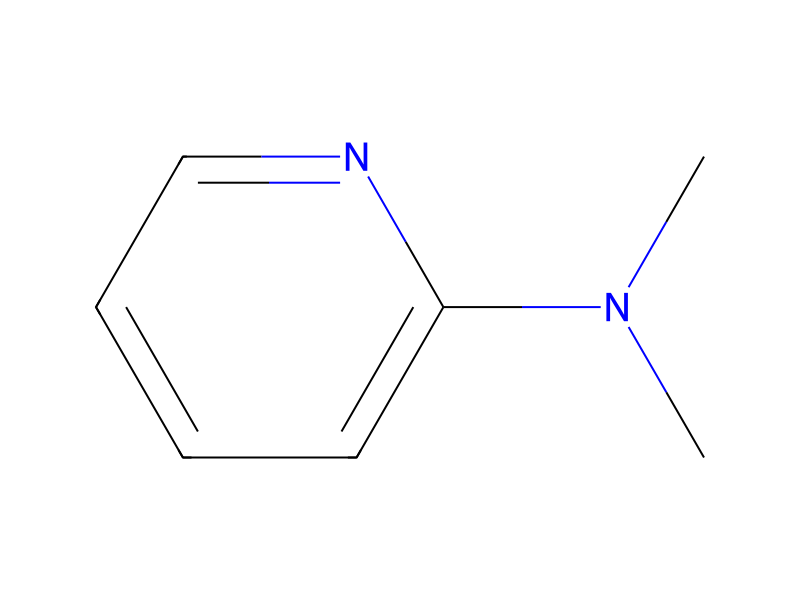
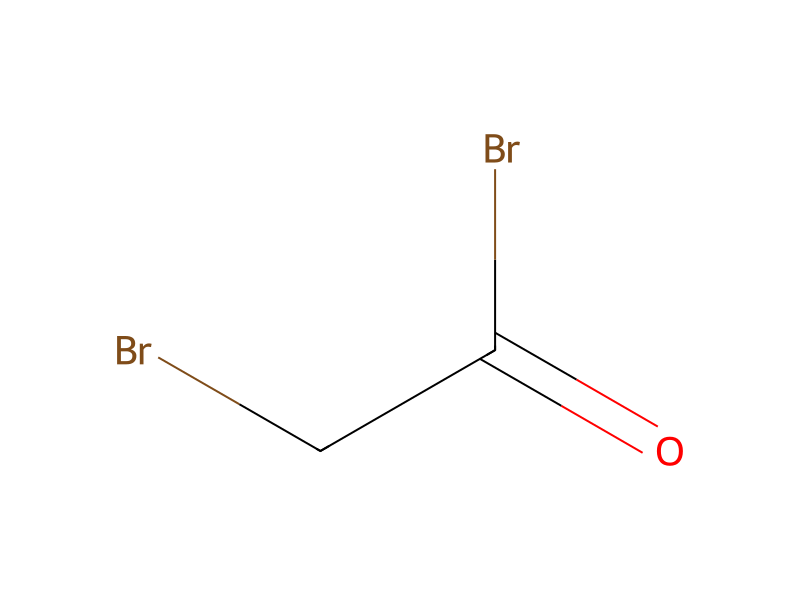
To an icebath-cooled stirring solution of 5.79 g (20 mmol) of 8-chlorodibenz[b,f][1,4]oxazepine-10(11H)-carboxylic acid, hydrazide (1), prepared as described above in Example 1, 3.1 mL (22 mmol) of TEA, and 0.16 g (1 mmol) of dimethylaminopyridine in 50 mL of DMF was added 4.44 g (22 mmol) of bromoacetyl bromide. After 16 hours of stirring, the reaction mixture was added to 250 mL of brine and 250 mL of EtOAc. The resulting layers were separated, and the organic layer was washed with 4×250 mL of brine. The organic layer was then dried and chromatographed. The yield of 8-chlorodibenz[b,f][1,4]oxazepine-10(11H)-carboxylic acid, 2-(bromoacetyl) hydrazide (19) was 3.75 g (45%). The product was employed immediately in the manner described in Example 20 below.
Workup
- customprepared
- customThe resulting layers were separated
- washthe organic layer was washed with 4×250 mL of brine
- customThe organic layer was then dried
- customchromatographed
Sources & evidence
- ORD record
- ord-c925730b3c59435cb9d8ee72ae294718
- Source dataset
- uspto-grants-1995_02
- Patent number
- US05393747
Reaction notes
Loading…