Phenyl Isothiocyanate → phenylcarbamothioic acid O-[(3beta)-25-[[(1,1-dimethylethyl)dimethylsilyl]oxy]-3-[[dimethyl(1,1,2-trimethylpropyl)silyl]oxy]cholesta-5,7,16-trien-23yn-22-yl] ester
Reaction equation

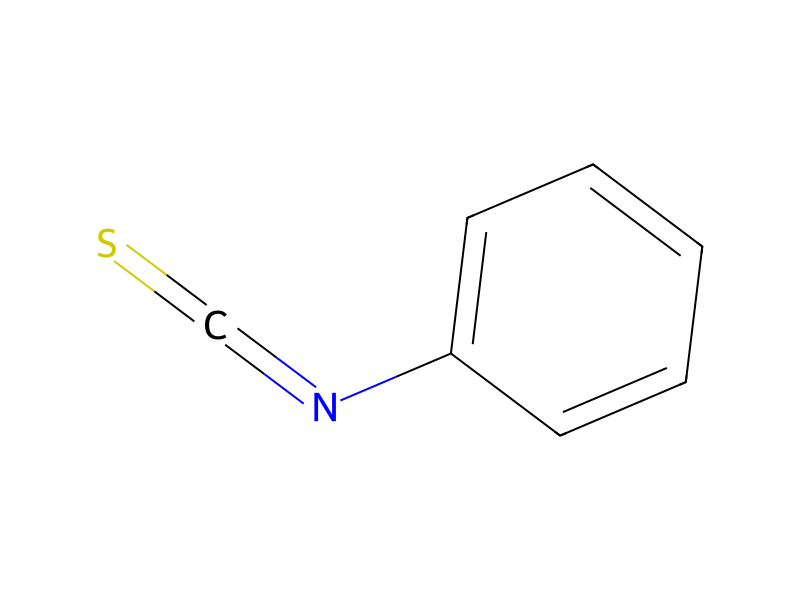
[H-].[Na+].[CH3:3][C:4]([Si:7]([CH3:48])([CH3:47])[O:8][C:9]([C:12]#[C:13][CH:14]([OH:46])[C@H:15]([C:17]1[C@:34]2([CH3:35])[C@H:20]([C:21]3[C@H:31]([CH2:32][CH2:33]2)[C@:29]2([CH3:30])[C:24]([CH2:25][C@@H:26]([O:36][Si:37]([CH3:45])([CH3:44])[C:38]([CH3:43])([CH3:42])[CH:39]([CH3:41])[CH3:40])[CH2:27][CH2:28]2)=[CH:23][CH:22]=3)[CH2:19][CH:18]=1)[CH3:16])([CH3:11])[CH3:10])([CH3:6])[CH3:5].[C:49]1([N:55]=[C:56]=[S:57])[CH:54]=[CH:53][CH:52]=[CH:51][CH:50]=1>C1COCC1.N1C=CN=C1>[CH3:3][C:4]([Si:7]([CH3:47])([CH3:48])[O:8][C:9]([C:12]#[C:13][CH:14]([O:46][C:56](=[S:57])[NH:55][C:49]1[CH:54]=[CH:53][CH:52]=[CH:51][CH:50]=1)[C@H:15]([C:17]1[C@:34]2([CH3:35])[C@H:20]([C:21]3[C@H:31]([CH2:32][CH2:33]2)[C@:29]2([CH3:30])[C:24]([CH2:25][C@@H:26]([O:36][Si:37]([CH3:44])([CH3:45])[C:38]([CH3:43])([CH3:42])[CH:39]([CH3:40])[CH3:41])[CH2:27][CH2:28]2)=[CH:23][CH:22]=3)[CH2:19][CH:18]=1)[CH3:16])([CH3:10])[CH3:11])([CH3:6])[CH3:5]Participants
Reactant 3


Product 1

Reagents, catalysts & solvents 2


Procedure
Sodium hydride (60% dispersion, 6.55 g, 164 mmol) was suspended in 200 mL of THF followed by the addition of 446 mg (6.55 mmol) imidazole at 5° C. To this gray suspension, a solution of crude 93 g (131 mmol) (3β)-25-[[(1,1-dimethylethyl)dimethylsilyl]oxy]-3-[[dimethyl(1,1,2-trimethylpropyl)silyl]oxy]cholesta-5,7,16-trien-23-yn-22-ol in 700 mL of THF was added dropwise at 8°-10° C. over 30 min. The resulting dark brown suspension was stirred at the same temperature for 1 h. Then, a solution of 17.3 mL (144 mmol) phenyl isothiocyanate in 200 mL of THF was added, and the mixture was stirred at 10° C. for 1 h. The reaction was quenched by the dropwise addition of 500 mL of 10% aqueous NaHCO3 followed by 70 g of celite. After stirring for 10 minutes, the solid was filtered and washed with 500 ml of ethyl acetate. The aqueous layer was extracted twice with 500 ml each of ethyl acetate. The combined organic layers were washed successively with 10% aqueous NaHCO3 and brine, dried over MgSO4, and concentrated to dryness. Some polar, colored impurities were removed by dissolving 132 g of the residue in 200 mL of 3% ethyl acetate in hexane and filtering it through a plug of 120 g of silica gel. The plug was washed with 1 L of 3% ethyl acetate in hexane. The eluate was collected and concentrated to dryness to give 117 g (overweight) of crude phenylcarbamothioic acid O-[(3β)-25-[[(1,1-dimethylethyl)dimethylsilyl]oxy]-3-[[dimethyl(1,1,2-trimethylpropyl)silyl]oxy]cholesta-5,7,16-trien-23-yn-22-yl] ester as an orange oil. This crude material was used for the next step.
Workup
- stirringthe mixture was stirred at 10° C. for 1 h
- customThe reaction was quenched by the dropwise addition of 500 mL of 10% aqueous NaHCO3
- stirringAfter stirring for 10 minutes
- filtrationthe solid was filtered
- washwashed with 500 ml of ethyl acetate
- extractionThe aqueous layer was extracted twice with 500 ml each of ethyl acetate
- washThe combined organic layers were washed successively with 10% aqueous NaHCO3 and brine
- dry with materialdried over MgSO4
- concentrationconcentrated to dryness
- customSome polar, colored impurities were removed
- dissolutionby dissolving 132 g of the residue in 200 mL of 3% ethyl acetate in hexane
- filtrationfiltering it through a plug of 120 g of silica gel
- washThe plug was washed with 1 L of 3% ethyl acetate in hexane
- customThe eluate was collected
- concentrationconcentrated to dryness
Sources & evidence
- ORD record
- ord-1970924b3976422490742120215b3c3c
- Source dataset
- uspto-grants-1995_02
- Patent number
- US05393900
Reaction notes
Loading…