1,3-Dibromopropane → Methyl (methylsulfinyl)methyl sulfide
Reaction equation

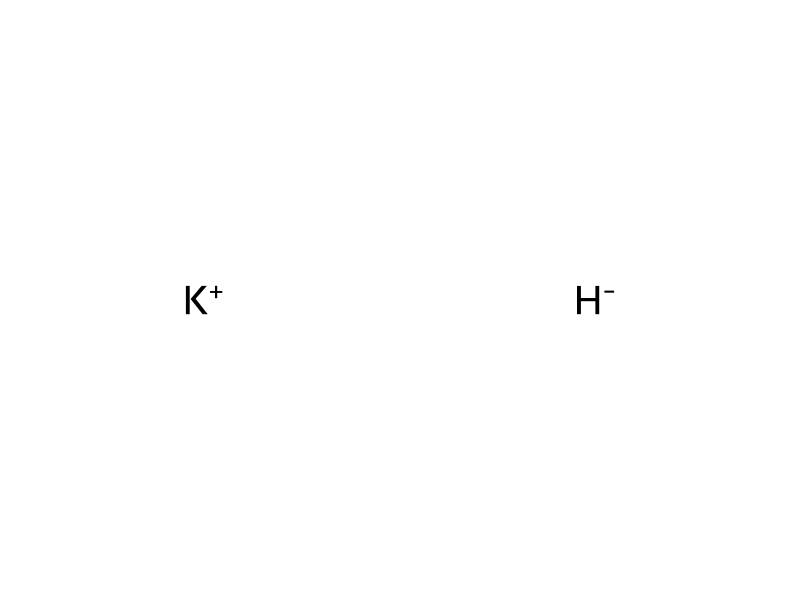
O1C[CH2:4][CH2:3][CH2:2]1.[H-].[K+].[CH3:8][S:9][CH2:10][S:11](=[O:13])[CH3:12].BrCCCBr>C(Cl)Cl>[CH3:8][S:9][C:10]1([S:11](=[O:13])[CH3:12])[CH2:4][CH2:3][CH2:2]1.[CH3:8][S:9][CH2:10][S:11](=[O:13])[CH3:12]Participants





Procedure
Tetrahydrofuran (15 ml) was added to 1.01 g of potassium hydride, and with stirring under ice cooling, 1.044g of formaldehyde dimethyl mercaptal S-oxide was added dropwise. After stirring for 1 hour with ice cooling, 2.070g of 1,3-dibromopropane was added dropwise over the course of about 10 minutes. The mixture was stirred for 1 hour with ice cooling, and then for 17 hours at room temperature. Then, 100 ml. of methylene chloride was added, and the insoluble matter was separated by filtration. The filtrate was concentrated at reduced pressure, and then separated by column chromatography (silica gel, eluted with methylene chloride, ether and methanol) to afford 1.081g of cyclobutanone dimethyl mercaptal S-oxide and 199 mg of formaldehyde dimethyl mercaptal S-oxide, both as a light yellow oil. The yield was 78%. The physical properties were as follows:
Workup
- additionwas added dropwise over the course of about 10 minutes
- stirringThe mixture was stirred for 1 hour with ice cooling
- customthe insoluble matter was separated by filtration
- concentrationThe filtrate was concentrated at reduced pressure
- customseparated by column chromatography (silica gel, eluted with methylene chloride, ether and methanol)
Sources & evidence
- ORD record
- ord-e136802da3d84b1fa3bc6bc234497bcc
- Source dataset
- uspto-grants-1977_04
- Patent number
- US04020171
Reaction notes
Loading…