Dichloromethane → 5-Isobutyrylamino-4'-methyl-biphenyl-3-carboxylic acid methyl ester
Reaction equation

[CH3:1][O:2][C:3]([C:5]1[CH:6]=[C:7]([C:12]2[CH:17]=[CH:16][C:15]([CH3:18])=[CH:14][CH:13]=2)[CH:8]=[C:9]([NH2:11])[CH:10]=1)=[O:4].C(N(CC)CC)C.ClCCl.[C:29](Cl)(=[O:33])[CH:30]([CH3:32])[CH3:31]>O.Cl>[CH3:1][O:2][C:3]([C:5]1[CH:6]=[C:7]([C:12]2[CH:17]=[CH:16][C:15]([CH3:18])=[CH:14][CH:13]=2)[CH:8]=[C:9]([NH:11][C:29](=[O:33])[CH:30]([CH3:32])[CH3:31])[CH:10]=1)=[O:4]Participants
7
Reactant 4


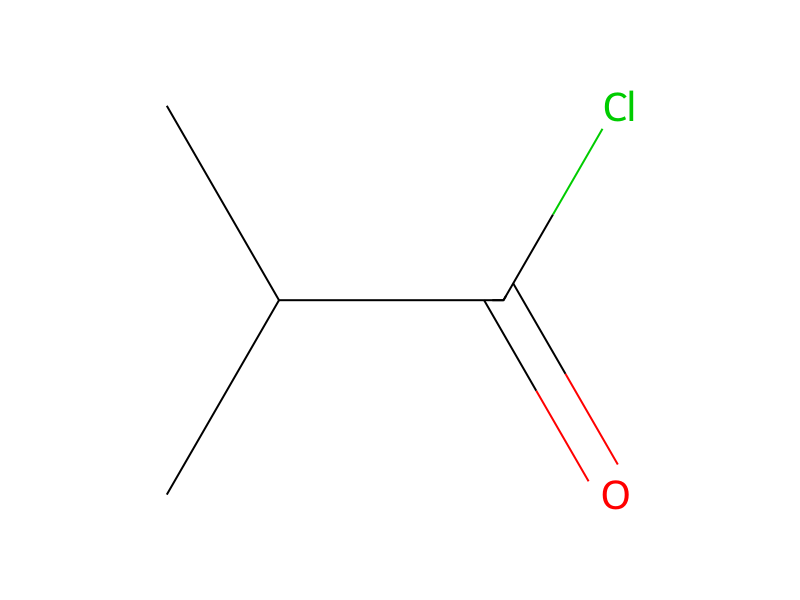

Product 1

Reagents, catalysts & solvents 2


Procedure
5-Amino-4′-methyl-biphenyl-3-carboxylic acid methyl ester (0.10 g, 2.49 mmol) and triethylamine (6.75 g, 7.47 mmol) were added to dichloromethane (40 mL) and stirred under nitrogen atmosphere. Isobutyryl chloride (0.318 g, 2.98 mmol) was added slowly, and the reaction mixture was stirred for 2.5 hours at room temperature. The mixture was diluted with water and 1N aqueous HCl, and the organic layer was separated, washed with water and brine, dried over MgSO4, filtered and concentrated under reduced pressure to give 0.786 g of 5-isobutyrylamino-4′-methyl-biphenyl-3-carboxylic acid methyl ester.
Workup
- stirringthe reaction mixture was stirred for 2.5 hours at room temperature
- customthe organic layer was separated
- washwashed with water and brine
- dry with materialdried over MgSO4
- filtrationfiltered
- concentrationconcentrated under reduced pressure
Sources & evidence
- ORD record
- ord-4e119243434a453c9fe99f82faccd0a1
- Source dataset
- uspto-grants-2014_11
- Patent number
- US08895589B2
Reaction notes
Loading…