Hydrochloric Acid → HCID 178527425, compound
Reaction equation

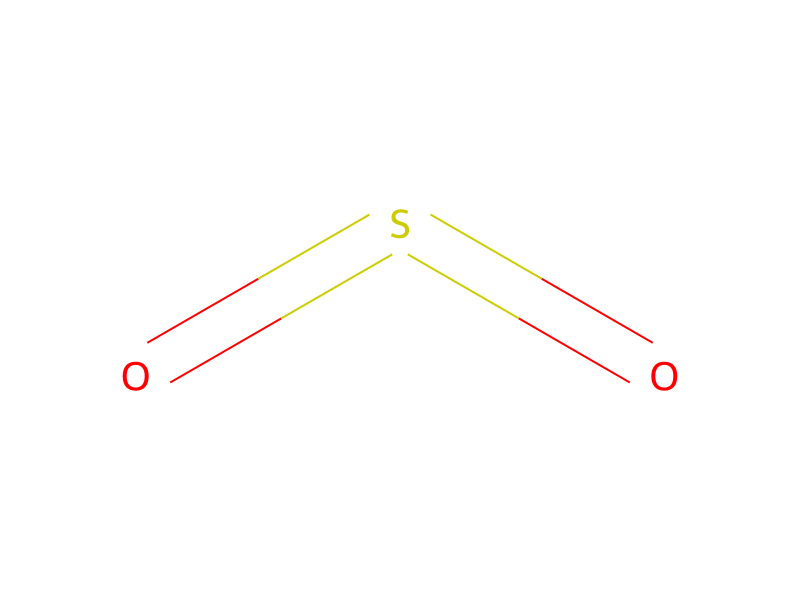
C1(O)C=CC=CC=1.Cl[C:9]1[C:10]([C:19]2[CH:24]=[CH:23][C:22](O)=[CH:21][C:20]=2F)=[N:11][N:12](C)[C:13]=1OC(F)F.B(Br)(Br)Br.N([O-])=O.[Na+].C1(S)C=CC=CC=1.[ClH:42].[S:43](=[O:45])=[O:44]>O.C(O)(=O)C.[Fe].O.O.O.O.O.S([O-])([O-])(=O)=O.[Cu+2].[Cu](Cl)Cl>[NH:12]1[CH:13]=[CH:9][C:10]([C:19]2[CH:24]=[CH:23][C:22]([S:43]([Cl:42])(=[O:45])=[O:44])=[CH:21][CH:20]=2)=[N:11]1Participants
Reactant 7






Product 1

Reagents, catalysts & solvents 5




Procedure
Scheme 3A, above, illustrates how the phenol JO, for example, 4-(4-chloro-5-difluoromethoxy-1-methylpyrazol-3-yl)-3-fluorophenol, may be prepared. In one route, JO is obtained from HO by treatment with boron tribromide. Alternatively, HS can be reduced with iron powder and acetic acid in water, affording K. Compound K can then be diazotized with sodium nitrite under strong acidic conditions and treated with copper sulfate pentahydrate to yield the targeted intermediate JO. Examples 1 and 2 provide detailed descriptions of the preparation of these intermediates. To prepare the thiophenol JS, K can be diazotized with sodium nitrite and hydrochloric acid, then treated with copper(II) chloride and sulfur dioxide in acetic acid, to yield the corresponding 4-(pyrazol-3-yl)phenylsulfonyl chloride L. Compound L can then in turn be treated with tin(II) chloride in acetic acid, affording the targeted intermediate JS, for example, 4-(4-chloro-5-difluoromethoxyl-1-methylpyrazol-3-yl)thiophenol. Example 9 provides a detailed description of the preparation of this intermediate. ##STR12##
Workup
- customaffording K
- customto yield the targeted intermediate JO
- customExamples 1 and 2 provide
- customdescriptions of the preparation of these intermediates
Sources & evidence
- ORD record
- ord-3d54dd88b4ec41dba80ecb0c12d5c7b6
- Source dataset
- uspto-grants-1999_01
- Patent number
- US05861359
Reaction notes
Loading…