Sodium Carbonate → 2-(4-Thiophen-2-yl-phenyl)-5-methyl-4-oxazoleethanol
Reaction equation

Br[C:2]1[CH:7]=[CH:6][C:5]([C:8]2[O:9][C:10]([CH3:16])=[C:11]([CH2:13][CH2:14][OH:15])[N:12]=2)=[CH:4][CH:3]=1.[S:17]1[CH:21]=[CH:20][CH:19]=[C:18]1B(O)O.C1(P(C2C=CC=CC=2)C2C=CC=CC=2)C=CC=CC=1.C([O-])([O-])=O.[Na+].[Na+]>C(O)CC.C([O-])(=O)C.[Pd+2].C([O-])(=O)C>[S:17]1[CH:21]=[CH:20][CH:19]=[C:18]1[C:2]1[CH:7]=[CH:6][C:5]([C:8]2[O:9][C:10]([CH3:16])=[C:11]([CH2:13][CH2:14][OH:15])[N:12]=2)=[CH:4][CH:3]=1Participants
Reactant 4




Product 1

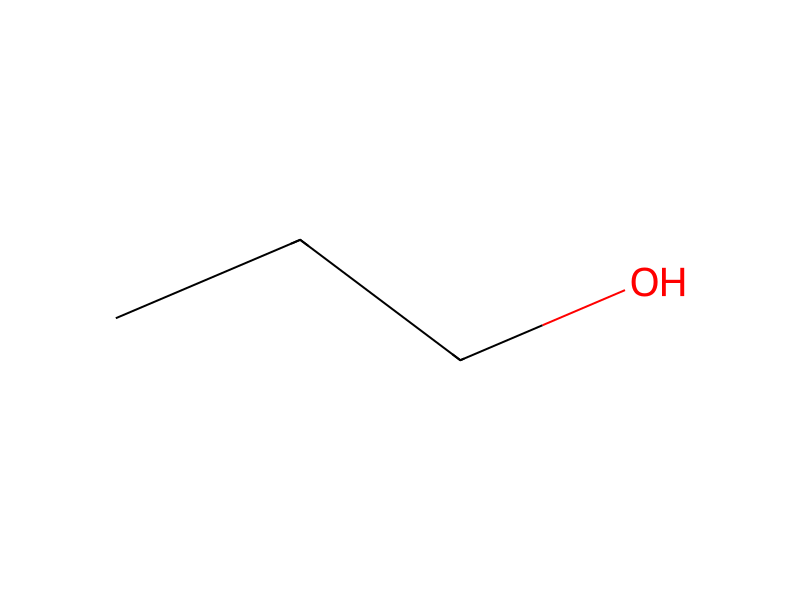
Reagents, catalysts & solvents 2

Procedure
2-(4-Bromophenyl)-5-methyl-4-oxazoleethanol (10.0 g, 35.0 mmol) (see Ex. 1, Part G) and 2-thiophenyl boronic acid (38.0 mmol) were dissolved in n-propanol (120 ml) before adding triphenylphosphine (165.2 mg, 0.63 mmol), palladium acetate (46 mg, 2.1 mmol), and Na2CO3 (4.5 g, 42 mmol dissolved in 30 mL distilled H2O). The solution was heated to reflux and stirred for 1.5 h. After cooling to ambient temperature, the mixture was concentrated under reduced pressure and then partitioned between CH2Cl2 (100 mL) and 1N NaOH (100 mL). The aqueous phase was extracted with CH2Cl2 (2×50 mL) and the combined organic phases were dried (MgSO4) and concentrated under reduced pressure to provide 2-(4-thiophen-2-yl-phenyl)-5-methyl-4-oxazoleethanol.
Workup
- temperatureThe solution was heated
- temperatureto reflux
- concentrationthe mixture was concentrated under reduced pressure
- custompartitioned between CH2Cl2 (100 mL) and 1N NaOH (100 mL)
- extractionThe aqueous phase was extracted with CH2Cl2 (2×50 mL)
- dry with materialthe combined organic phases were dried (MgSO4)
- concentrationconcentrated under reduced pressure
Sources & evidence
- ORD record
- ord-0e73865833f949b8aab027a622d371b5
- Source dataset
- uspto-grants-2007_02
- Patent number
- US07176224B2
Reaction notes
Loading…