4-Methylmorpholine → 2-(2-Nitrophenyl)propyl chloroformate
Reaction equation

[N+:1]([C:4]1[CH:9]=[CH:8][CH:7]=[CH:6][C:5]=1[CH:10]([CH3:13])[CH2:11][OH:12])([O-:3])=[O:2].CN1CCOCC1.O=C(Cl)[O:23][C:24](Cl)(Cl)[Cl:25]>C1COCC1>[N+:1]([C:4]1[CH:9]=[CH:8][CH:7]=[CH:6][C:5]=1[CH:10]([CH3:13])[CH2:11][O:12][C:24]([Cl:25])=[O:23])([O-:3])=[O:2]Participants
5
Reactant 3

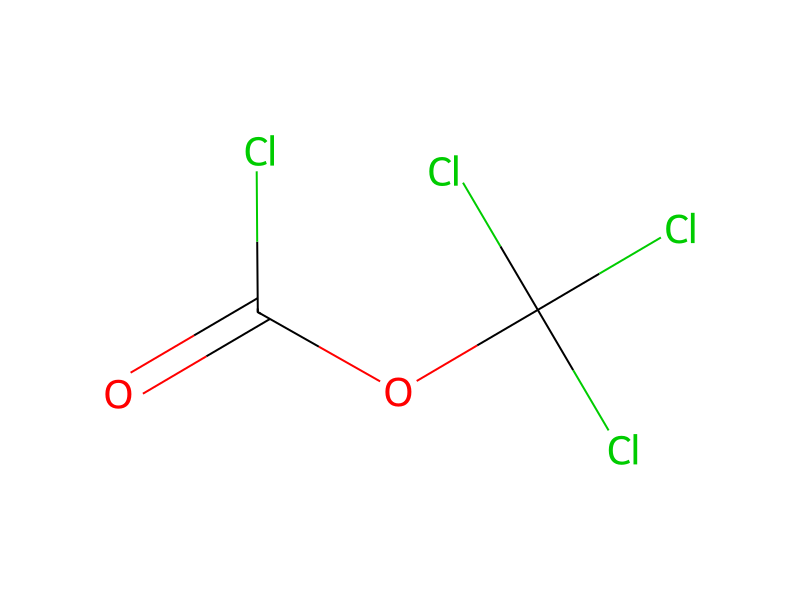

Product 1

Reagents, catalysts & solvents 1

Conditions
- Temperature
- 0 °C
Procedure
A solution consisting of 7.2 g 2-(2-nitrophenyl)propanol (39.7 mmol) and 4.4 ml N-methylmorpholine (39.7 mmol) in 15 ml absolute THF are slowly added to 5 ml diphosgene (41.4 mmol) in 10 ml absolute THF at 0° C. in a nitrogen atmosphere through a needle. Having stirred for 1 hour at 0° C., some of the precipitate is sucked off and the filtrate is withdrawn at the high vacuum. 6.91 g of (1) is obtained in the form of a brown oil (71%).
Workup
- customthe filtrate is withdrawn at the high vacuum
Sources & evidence
- ORD record
- ord-995f6925fda549a19df6a335d826d746
- Source dataset
- uspto-grants-2004_06
- Patent number
- US06756492B1
Reaction notes
Loading…