Hydrochloric Acid → 6-Chloro-5-methyl-1-(3-methyl-5-isoxazolylcarbamoyl)indoline
Reaction equation

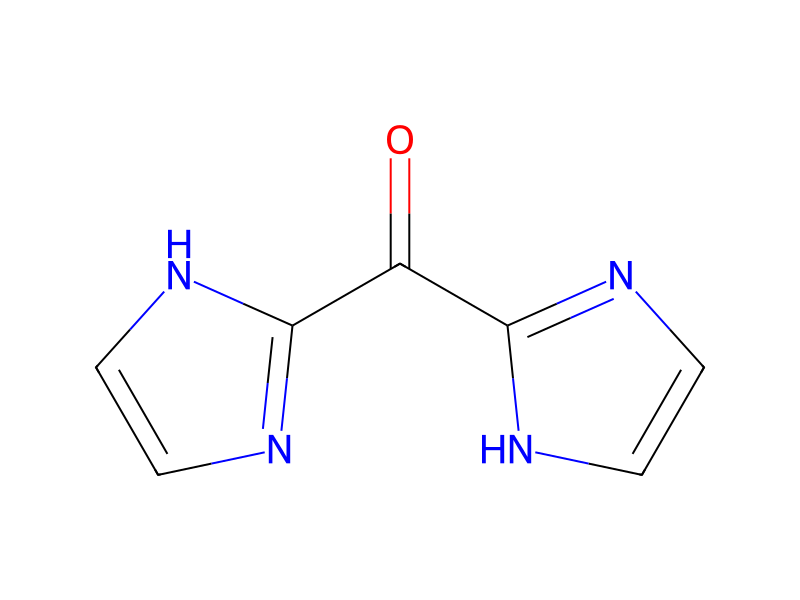
N[C:2]1[CH:6]=[C:5](C)[O:4][N:3]=1.[H-].[Na+].[C:10](C1NC=CN=1)(C1NC=CN=1)=O.[Cl:22][C:23]1[CH:31]=[C:30]2[C:26]([CH2:27][CH2:28][NH:29]2)=[CH:25][C:24]=1[CH3:32].Cl.C[N:35](C)[CH:36]=[O:37]>>[Cl:22][C:23]1[CH:31]=[C:30]2[C:26]([CH2:27][CH2:28][N:29]2[C:36](=[O:37])[NH:35][C:5]2[O:4][N:3]=[C:2]([CH3:10])[CH:6]=2)=[CH:25][C:24]=1[CH3:32]Participants
Reactant 6





Product 1

Conditions
- Temperature
- 100 °C
Procedure
A solution of 3-amino-5-methyl-isoxazole (0.23 g, 2.4 mmol) in N,N-dimethylformamide (4 ml) was treated at 0° C. with sodium hydride (70 mg of 80% dispersion; 2.4 mmol). After 0.25 h the mixture was added dropwise to a solution of carbonyl diimidazole (0.41 g, 2.5 mmol) in N,N-dimethylformamide (4 ml), and after 5 mins the resulting solution was added to a solution of 6chloro-5-methyl indoline (D10) (0.36 g, 2.2 mmol) in N,N-dimethylformamide (4 ml). The mixture was heated at 100° C. for 1 h, allowed to cool to room temperature, then treated with 0.1M aqueous hydrochloric acid (30 ml). Filtration and drying afforded a brown solid (0.5 g). Recrystallisation from ethanol gave the title compound as a white solid (0.40 g, 64%) m.p. >220° C.,
Workup
- temperatureto cool to room temperature
- filtrationFiltration
- customdrying
Sources & evidence
- ORD record
- ord-d41a950439224a8c80d45667d7d9a45b
- Source dataset
- uspto-grants-1998_11
- Patent number
- US05834494
Reaction notes
Loading…