Potassium Carbonate → 4-[(6-Bromohexyl)oxy]benzonitrile
Reaction equation

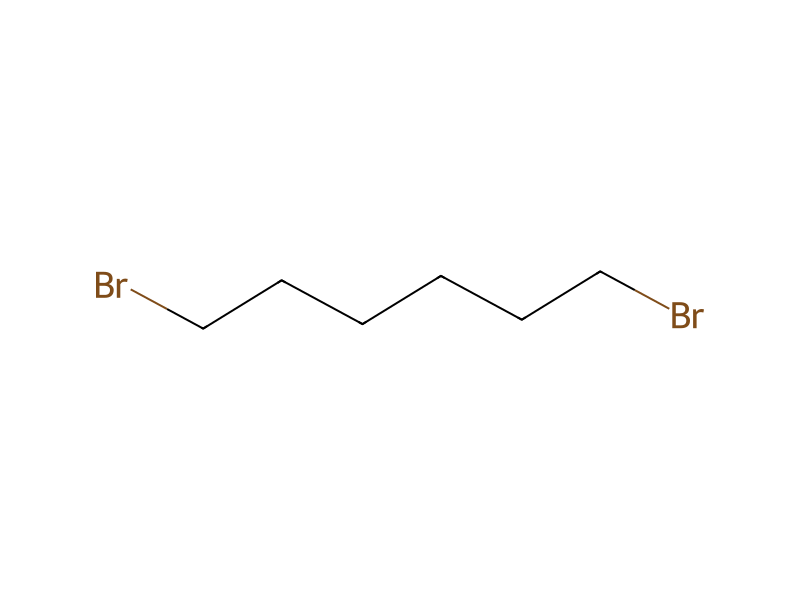
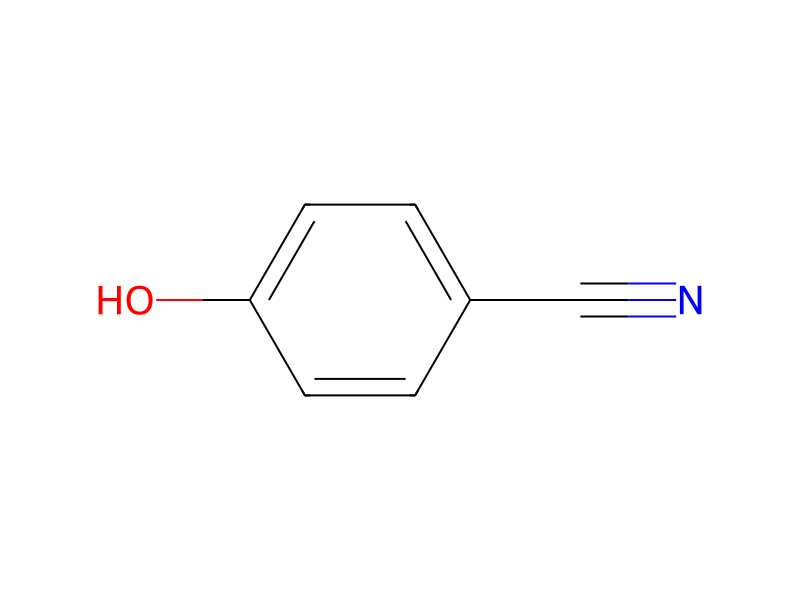
[C:1]([C:3]1[CH:8]=[CH:7][C:6]([OH:9])=[CH:5][CH:4]=1)#[N:2].C(=O)([O-])[O-].[K+].[K+].[Br:16][CH2:17][CH2:18][CH2:19][CH2:20][CH2:21][CH2:22]Br>[I-].[Na+].CC(C)=O>[Br:16][CH2:17][CH2:18][CH2:19][CH2:20][CH2:21][CH2:22][O:9][C:6]1[CH:7]=[CH:8][C:3]([C:1]#[N:2])=[CH:4][CH:5]=1Participants
6
Reactant 3

Product 1

Reagents, catalysts & solvents 2


Procedure
A mixture of 23.8 g (0.2 mole) of 4-cyanophenol, 55.3 g (0.4 mole) of milled potassium carbonate, 97.6 g of 1,6-dibromohexane, 0.5 g of sodium iodide and 750 ml of acetone was stirred at reflux for two days. The solid was filtered off and the filtrate concentrated in vacuo. The residue was partitioned between water and methylene dichloride, and the organic phase was dried and concentrated. The residue was distilled to give 40 g of 4-(6-bromohexyloxy)benzonitrile, b.p. 150°-160° C. (0.05 mm).
Workup
- temperatureat reflux for two days
- filtrationThe solid was filtered off
- concentrationthe filtrate concentrated in vacuo
- customThe residue was partitioned between water and methylene dichloride
- customthe organic phase was dried
- concentrationconcentrated
- distillationThe residue was distilled
Sources & evidence
- ORD record
- ord-ca35385afa284f28b23647dec32a4aa0
- Source dataset
- uspto-grants-1991_03
- Patent number
- US05002960
Reaction notes
Loading…