Acetate → Dodecane-2-thiol
Reaction equation

C(N=N[C:7](Cl)([CH2:9][C:10]([CH3:18])(OOC(C)(C)C)C)[CH3:8])(C)(C)C.[Na].[K].C[O-].[K+].[N-]=[N+]=[N-].[C:28]([O-])(=O)[CH3:29].[S-]C#N.[C:35]([O-])(=[S:37])[CH3:36].[C:39](OO)(C)([CH3:41])[CH3:40]>>[CH3:36][CH:35]([SH:37])[CH2:40][CH2:39][CH2:41][CH2:28][CH2:29][CH2:18][CH2:10][CH2:9][CH2:7][CH3:8]Participants
10
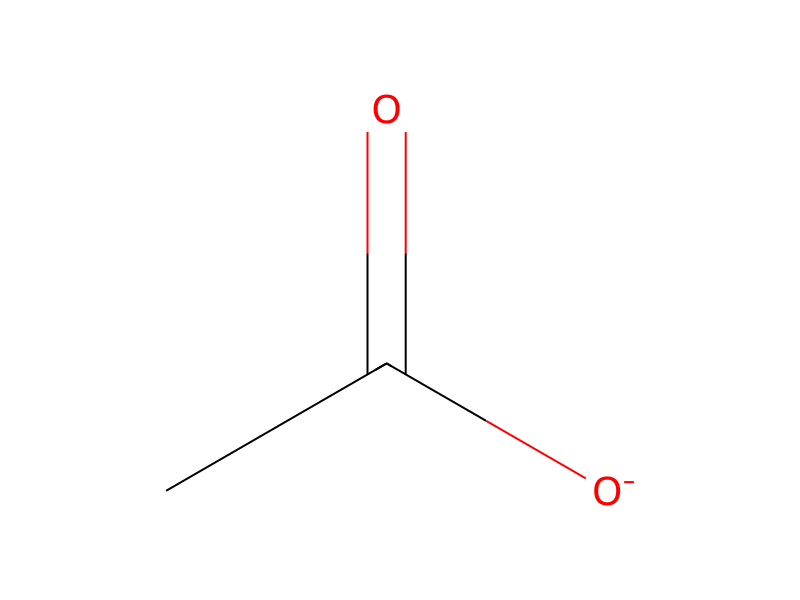






Procedure
The 2-methyl, 2-azido, 2-acetoxy, 2-phenoxy, 2-thiocyanato, 2-dodecanethiol, 2-thioacetoxy and 2-t-butylperoxy derivatives of Examples 24, 25, 26, 29, 31, 32, 33 and 35 were prepared by similar reactions, i.e. reacting the 2-(t-butylazo)-2-chloro-4-methyl-4-(t-butylperoxy)pentane (from Example 23) with approximately equivalent amounts of the corresponding sodium or potassium salt in alcohol i.e. either sodium or potassium methoxide, azide, acetate, phenate, thiocyanate, thiododecanoxide, thioacetate, and t-butyl hydroperoxide.
Sources & evidence
- ORD record
- ord-1f7f1db0b5ec48139079d14bca57b41a
- Source dataset
- uspto-grants-1978_05
- Patent number
- US04088642
Reaction notes
Loading…