Hydrochloric Acid → HCID 70631399, compound
Reaction equation

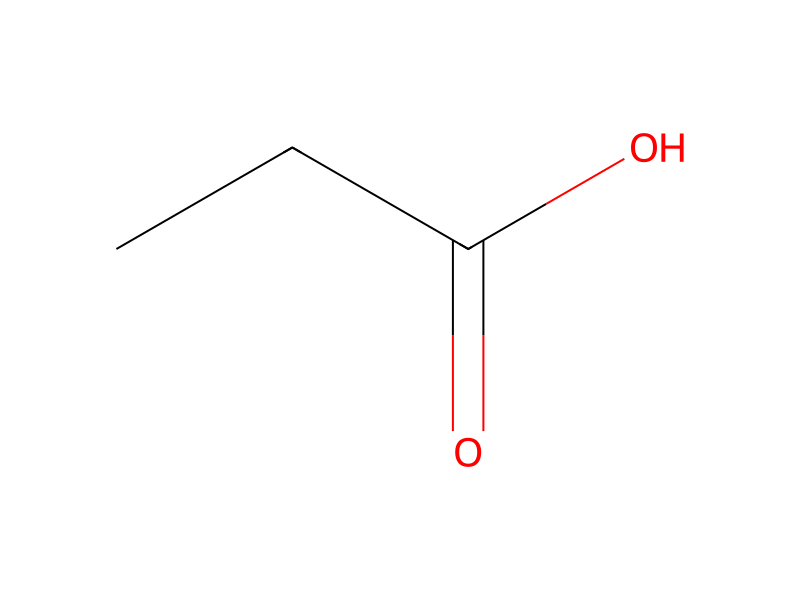
[NH2:1][C:2]1[C:9]([Br:10])=[CH:8][C:7]([Br:11])=[CH:6][C:3]=1[CH2:4]O.[CH3:12][N:13]1[CH2:18][CH2:17][NH:16][CH2:15][CH2:14]1.C(O)(=O)CC.[ClH:24]>C(OCC)(=O)C>[ClH:24].[CH3:12][N:13]1[CH2:18][CH2:17][N:16]([CH2:4][C:3]2[CH:6]=[C:7]([Br:11])[CH:8]=[C:9]([Br:10])[C:2]=2[NH2:1])[CH2:15][CH2:14]1Participants
6
Reactant 4



Product 1

Reagents, catalysts & solvents 1

Conditions
- Temperature
- 140 °C
Procedure
A mixture of 0.56 part of 2-amino-3,5-dibromobenzylalcohol, 1.0 part of N-methyl piperazine and 2 parts of propionic acid is heated at 140° C for 8 hours under stirring. Then, the propionic acid is distilled off under reduced pressure. The residue is extracted with chloroform. The chloroform layer is washed with water and dried over sodium sulfate. Evaporation of the solvent gives oily residue. The residue is chromotographed over silica gel. Ethyl acetate eluates are treated with ethanolic hydrochloric acid. This procedure gives N1 -methyl-N4 -(2-amino-3,5-dibromobenzyl)piperazine hydrochloride melting at 182° to 185° C.
Workup
- distillationThen, the propionic acid is distilled off under reduced pressure
- extractionThe residue is extracted with chloroform
- washThe chloroform layer is washed with water
- dry with materialdried over sodium sulfate
- customEvaporation of the solvent
- customgives oily residue
Sources & evidence
- ORD record
- ord-d02da9a45bf74325877917a292ba46f6
- Source dataset
- uspto-grants-1978_05
- Patent number
- US04091220
Reaction notes
Loading…