Hydroquinone → 4-Methoxyphenol
Reaction equation

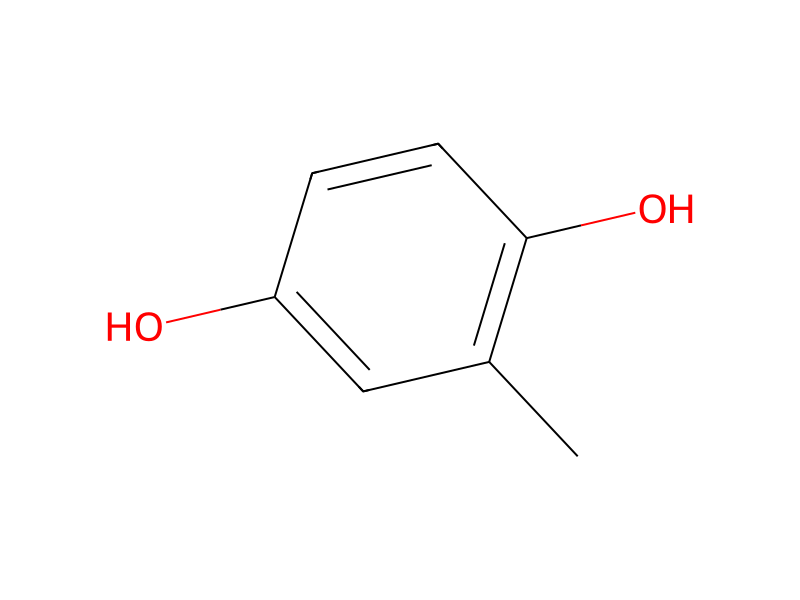
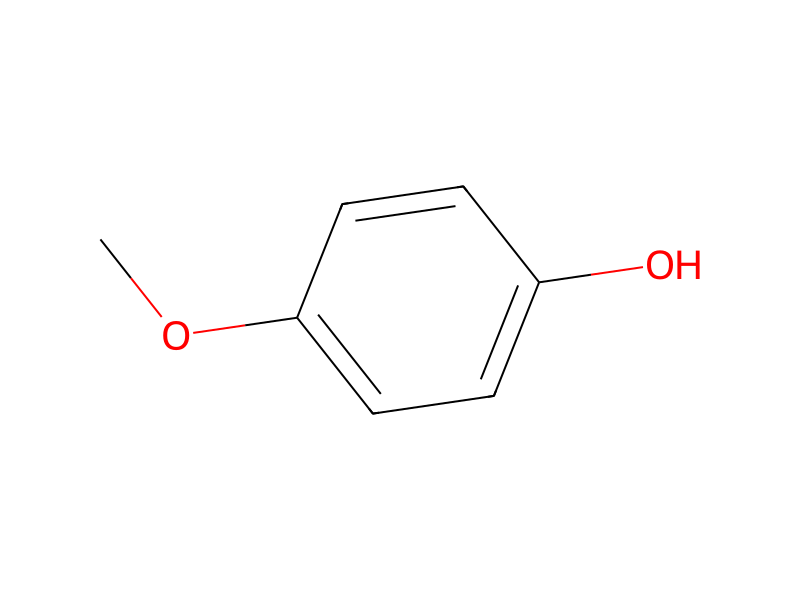
[C:1]1(C=CC(O)=CC=1)O.O.[OH-].[Li+].C[C:13]1[CH:19]=[C:18]([OH:20])[CH:17]=[CH:16][C:14]=1[OH:15].[CH3:21]C1C(C)=C(C=CC=1O)O.[CH3:31][C:32]1[C:33]([OH:41])=[C:34]([CH3:40])[C:35]([CH3:39])=[C:36]([CH:38]=1)[OH:37]>CO>[CH3:31][C:32]1[C:33]([OH:41])=[C:34]([CH3:40])[C:35]([CH3:39])=[C:36]([OH:37])[C:38]=1[CH3:1].[CH3:21][O:20][C:18]1[CH:19]=[CH:13][C:14]([OH:15])=[CH:16][CH:17]=1Participants






Procedure
Into an autoclave (inner volume: 4.5 ml, made of SUS 316, without manometer) were charged 0.031 g of hydroquinone, 1.370 g of methanol and 0.063 mg of lithium hydroxide monohydrate (manufactured by Wako Pure Chemical Ind., Ltd.). The reaction was started by elevating the temperature up to 420° C. with sand bath. After 7 minutes, the autoclave was quickly cooled and the reaction solution was taken out from the autoclave when the temperature was cooled back to the room temperature. The measurement according to the process described above revealed that the conversion of hydroquinone was 72% by mole, the selectivity of monomethylhydroquinone was 34% by mole, the selectivity of dimethylhydroquinone was 42% by mole and the selectivity of trimethylhydroquinone was 18% by mole. As byproducts, tetramethylhydroquinone and p-methoxyphenol were produced with selectivities of 2% by mole and 1% by mole, respectively.
Workup
- customup to 420° C.
- temperaturethe autoclave was quickly cooled
Sources & evidence
- ORD record
- ord-1f60ddf478334f48af70da27ac33a8d0
- Source dataset
- uspto-grants-2001_10
- Patent number
- US06303801B1
Reaction notes
Loading…