Hydrochloric Acid → HCID 59526956, compound
Reaction equation

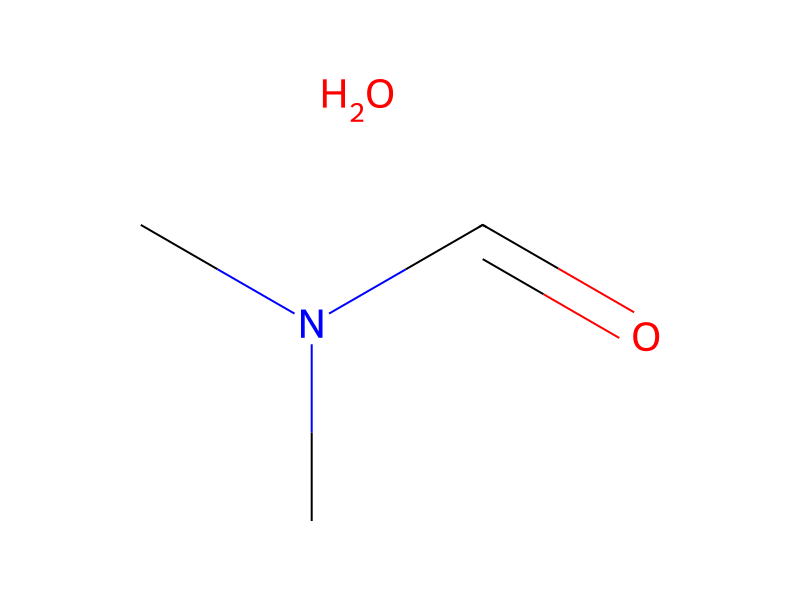
CN(C=[O:5])C.O.[CH2:7]([O:14][C:15]1[CH:20]=[CH:19][CH:18]=[C:17]([O:21][CH2:22][CH2:23][CH2:24][CH:25]=[CH2:26])[CH:16]=1)[C:8]1[CH:13]=[CH:12][CH:11]=[CH:10][CH:9]=1.Cl>CN(C=O)C.[Pd](Cl)Cl.[Cu]Cl>[CH2:7]([O:14][C:15]1[CH:16]=[C:17]([CH:18]=[CH:19][CH:20]=1)[O:21][CH2:22][CH2:23][CH2:24][C:25](=[O:5])[CH3:26])[C:8]1[CH:9]=[CH:10][CH:11]=[CH:12][CH:13]=1Participants






Procedure
Palladium(II) chloride (112 mg) and copper(I) chloride (628 mg) were added to DMF-water (7:1, 8 mL), followed by stirring at room temperature under oxygen atmosphere for 1 hour. A solution of 1-(benzyloxy)-3-(pent-4-en-1-yloxy)benzene (1.70 g) in DMF (7 mL) was added dropwise to the reaction mixture, followed by vigorous stirring at room temperature for 2 hours. 0.5M Hydrochloric acid (60 mL) was added to the reaction mixture, followed by extraction with diethyl ether (100 mL). The organic layer was washed sequentially with water and saturated brine, and the solvent was evaporated under reduced pressure. The residue was purified by silica gel column chromatography (eluent: hexane/ethyl acetate=5/1) to obtain 5-[3-(benzyloxy)phenoxy]pentan-2-one (1.65 g).
Workup
- stirringby vigorous stirring at room temperature for 2 hours
- extractionfollowed by extraction with diethyl ether (100 mL)
- washThe organic layer was washed sequentially with water and saturated brine
- customthe solvent was evaporated under reduced pressure
- customThe residue was purified by silica gel column chromatography (eluent: hexane/ethyl acetate=5/1)
Sources & evidence
- ORD record
- ord-4a36ca28b1bc442b937268e42550be8c
- Source dataset
- uspto-grants-2013_02
- Patent number
- US08367702B2
Reaction notes
Loading…