Formic Acid → HCID 16039065, compound
Reaction equation

C(O)=[O:2].OO.[C:6]12(C)[C:12](C)(C)[CH:9]([CH:10]=[CH:11]1)[CH2:8][CH:7]2[S:15]([O-:18])(=[O:17])=[O:16].CC1C=CC=C(C)[NH+]=1.S([O-])([O-])=O.[Na+].[Na+].C(=O)([O-])O.[Na+]>>[OH:2][CH:10]1[CH:11]2[CH:6]3[CH:7]([CH2:8][CH:9]1[CH2:12]3)[S:15](=[O:18])(=[O:17])[O:16]2Participants


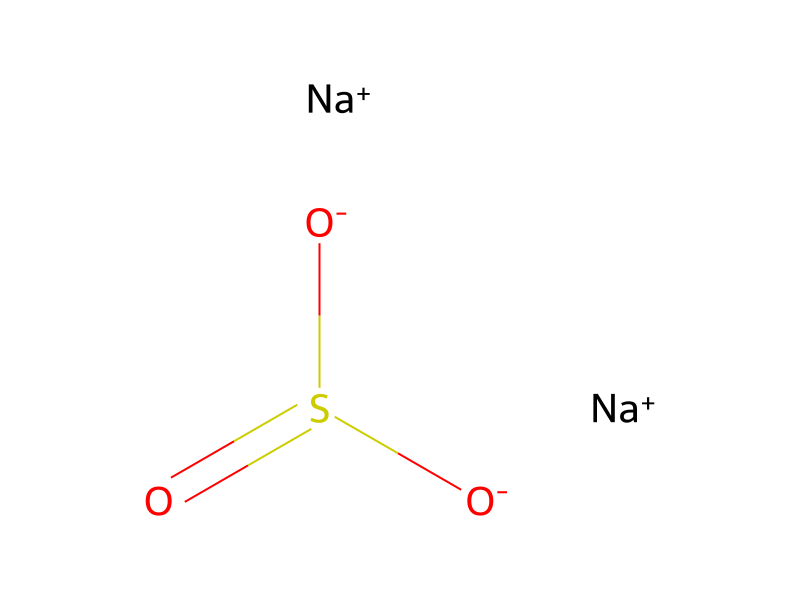



Conditions
- Temperature
- 10 °C
Procedure
Into a three-necked flask having an inner volume of 300 mL equipped with a stirrer, a thermometer and a dropping funnel, the whole amount of “Aqueous Solution D” obtained above was charged, and cooled down to 10° C. 99% Formic acid (10.8 g, 0.232 mol) was weighed into a dropping funnel, and added dropwise to the reaction system so that the inner temperature of the reaction system was maintained in a range of 11 to 15° C. After that, the inner temperature was raised up to 50 to 52° C. by heating, and then 30% hydrogen peroxide aqueous solution (18.69 g, 0.165 mol) weighed and contained in another dropping funnel was added dropwise to the reaction system over 3 hours. After completion of the dropping, the inner temperature of the reaction system was also maintained at around 50° C. After 21 hours from completion of the dropping, the reaction liquid was analyzed by HPLC to confirm that conversion ratio of 2,6-dimethylpyridinium 5-bornene-2-sulfonate was 98.4%. After cooling down the reaction liquid to 15° C., sodium sulfite was added slowly to the reaction system so that the inner temperature of the reaction system was maintained in a range of 15 to 18° C. until a starch paper did not detect hydrogen peroxide. Subsequently, sodium hydrogen carbonate was added slowly to adjust pH of the reaction liquid at 7.0 so that the inner temperature of the reaction system was maintained in a range of 17 to 20° C. The reaction liquid was extracted with ethyl acetate (100 g) twice, the resultant organic layers were combined, and washed with water (25 g), then concentrated under the reduced pressure until the amount of the liquid became 37.4 g. Isopropyl ether (21.0 g) was added to the resultant concentrated liquid in a heated state at 50° C., then the mixture was cooled down to 5° C. at a rate of about 10° C./hour, to precipitate crystal of the product. After filtering the precipitated crystal, the filtered out crystal was washed with isopropyl ether (6.0 g) at 5° C., and dried at 40° C. for hours under the reduced pressure, to obtain 2-hydroxy-4-oxa-5-thiatricyclo[4.2.1.03,7]nonane 5,5-dioxide (7.86 g, purity: 98.1%, 0.041 mol). It should be noted that, yield of the product from 5-norbornene-2-sulfonyl chloride was 46.8%.
Workup
- customInto a three-necked flask having
- customan inner volume of 300 mL equipped with a stirrer
- additionwas charged
- additionadded dropwise to the reaction system so that the inner temperature of the reaction system
- temperaturewas maintained in a range of 11 to 15° C
- temperatureAfter that, the inner temperature was raised up to 50 to 52° C.
- temperatureby heating
- customcontained in another dropping funnel
- additionwas added dropwise to the reaction system over 3 hours
- temperatureAfter completion of the dropping, the inner temperature of the reaction system was also maintained at around 50° C
- customthe reaction liquid
- temperatureAfter cooling down
- customthe reaction liquid to 15° C.
- custompH of the reaction liquid at 7.0 so that the inner temperature of the reaction system
- temperaturewas maintained in a range of 17 to 20° C
- customThe reaction liquid
- extractionwas extracted with ethyl acetate (100 g) twice
- washwashed with water (25 g)
- concentrationconcentrated under the reduced pressure until the amount of the liquid
- additionIsopropyl ether (21.0 g) was added to the resultant
- concentrationconcentrated liquid in a heated state at 50° C.
- temperaturethe mixture was cooled down to 5° C. at a rate of about 10° C./hour
- customto precipitate crystal of the product
- filtrationAfter filtering the precipitated crystal
- filtrationthe filtered out crystal
- washwas washed with isopropyl ether (6.0 g) at 5° C.
- customdried at 40° C. for hours under the reduced pressure
Sources & evidence
- ORD record
- ord-6bca428850614419b41d36c614782a65
- Source dataset
- uspto-grants-2013_02
- Patent number
- US08367849B2
Reaction notes
Loading…