Triethylamine → HCID 59289086, compound
Reaction equation

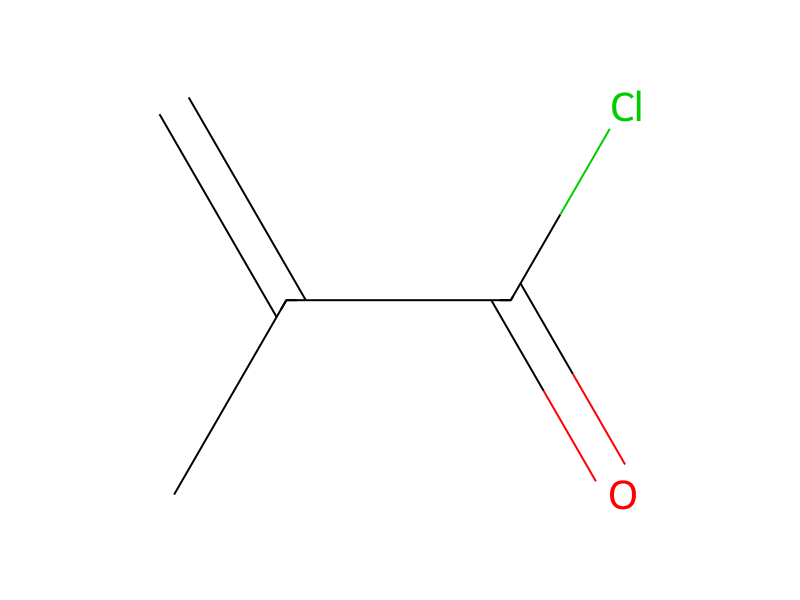
[CH2:1]([CH:4]1[CH2:9][CH2:8][CH:7]([CH2:10][CH:11]([CH2:14][CH3:15])[CH2:12][OH:13])[CH2:6][CH2:5]1)[CH2:2][CH3:3].C(N(CC)CC)C.[C:23](Cl)(=[O:27])[C:24](C)=[CH2:25]>ClCCl>[CH2:1]([CH:4]1[CH2:5][CH2:6][CH:7]([CH2:10][CH:11]([CH2:14][CH3:15])[CH2:12][O:13][C:23](=[O:27])[CH:24]=[CH2:25])[CH2:8][CH2:9]1)[CH2:2][CH3:3]Participants
5
Reactant 3


Product 1

Reagents, catalysts & solvents 1

Procedure
2-(4-propyl-cyclohexylmethyl)-butan-1-ol (13 g, 61.2 mmol) is dissolved in dichloromethane (50 ml) and triethylamine (3.5 ml) and a solution of methacryloyl chloride (2.2 ml, 21.8 mmol) in dichloromethane (30 ml) is added dropwise at 0° C. The reaction is stirred overnight, evaporated, filtered through silica with heptane/ethyl acetate (19:1) and the crude product is crystallised from ethanol to give acrylic acid 2-(4-propyl-cyclohexylmethyl)-butyl ester as a colourless oil.
Workup
- customevaporated
- filtrationfiltered through silica with heptane/ethyl acetate (19:1)
- customthe crude product is crystallised from ethanol
Sources & evidence
- ORD record
- ord-7e1aa9ee571a4045b0696cb96a0294e1
- Source dataset
- uspto-grants-2013_02
- Patent number
- US08372307B2
Reaction notes
Loading…