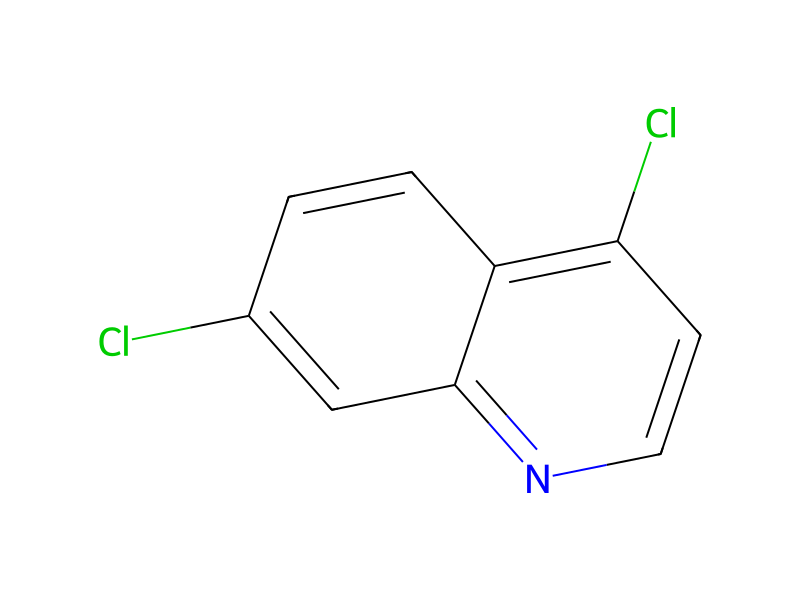
4,7-Dichloroquinoline → HCID 22646582, compound
Reaction equation

Cl[C:2]1[C:11]2[C:6](=[CH:7][C:8]([Cl:12])=[CH:9][CH:10]=2)[N:5]=[CH:4][CH:3]=1.[Cl:13][C:14]1[C:20]([OH:21])=[CH:19][C:17]([NH2:18])=[C:16]([F:22])[CH:15]=1>CC(O)CCC>[Cl:12][C:8]1[CH:7]=[C:6]2[C:11]([C:2]([NH:18][C:17]3[CH:19]=[C:20]([OH:21])[C:14]([Cl:13])=[CH:15][C:16]=3[F:22])=[CH:3][CH:4]=[N:5]2)=[CH:10][CH:9]=1Participants
4
Reactant 2

Product 1

Reagents, catalysts & solvents 1
Procedure
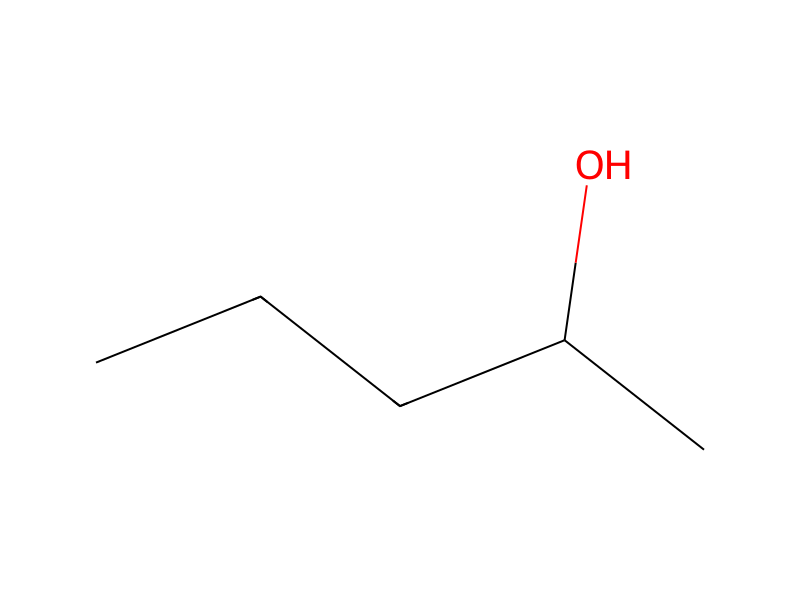
Using an analogous procedure to that described for Example 15, 4,7-dichloroquinoline (198 mg, 1 mmol) was reacted with 4-chloro-2-fluoro-5-hydroxyaniline (194 mg, 1.2 mmol), (as described in EP 61741 A2), in 2-pentanol (5 ml) to give 7-chloro-4-(4-chloro-2-fluoro-5-hydroxyanilino)quinoline (258 mg, 72%).
Sources & evidence
- ORD record
- ord-931a69c61529415189b3e377bfc6a9b7
- Source dataset
- uspto-grants-2004_10
- Patent number
- US06809097B1
Reaction notes
Loading…